Electronic invoicing Oman: A Complete Guide to Digital Tax Compliance and Business Transformation
Electronic invoicing Oman is becoming an important part of the country’s digital transformation journey, helping businesses move towards transparent, accurate, and efficient financial operations. Led by the Oman Tax Authority (OTA), the Fawtara initiative aims to modernise tax administration, improve transaction reporting, and strengthen VAT compliance across businesses.
As Oman advances towards structured digital invoicing, organisations should understand the regulatory direction, technical requirements, and operational changes involved. Early preparation can help businesses minimise compliance risks while improving their finance and accounting processes.
What Is Oman’s Fawtara E-Invoicing Framework?
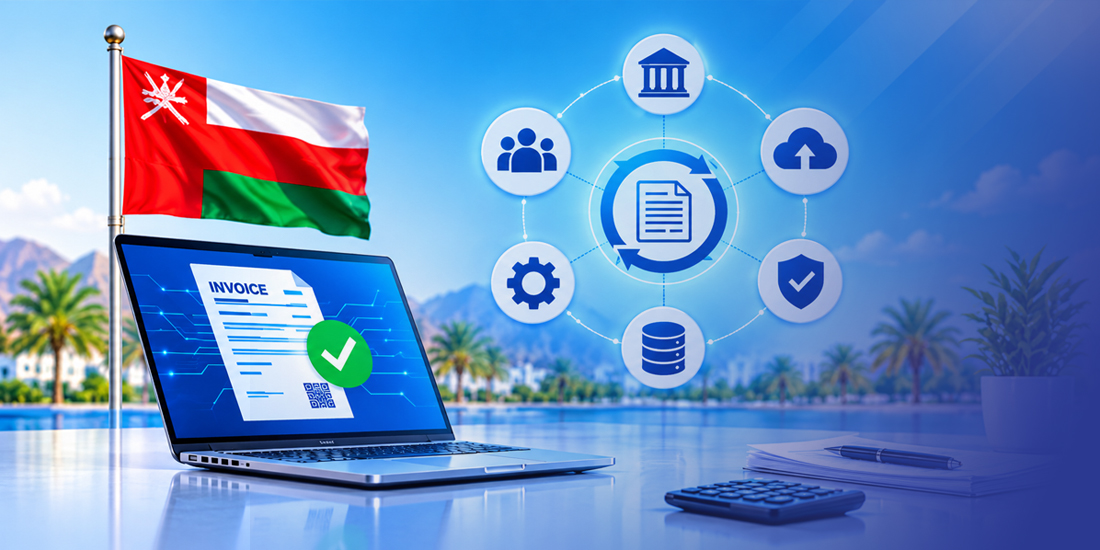
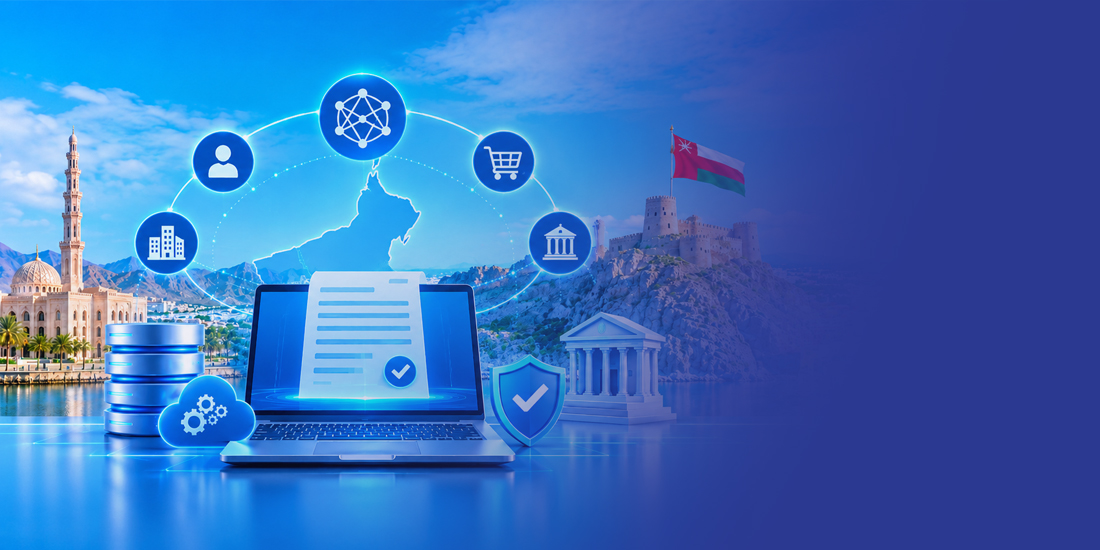
Fawtara is the national e-invoicing programme introduced by the OTA to standardise how businesses issue, exchange, and report invoices. It follows a five-corner model connecting suppliers, their service providers, customers, their service providers, and the tax authority.
Unlike conventional invoicing, where businesses exchange paper documents or PDFs, digital invoicing uses structured invoice data that can be validated and transmitted electronically. The prescribed XML format supports standardised data exchange and automated processing.
Implementation Timeline and Compliance Requirements
Businesses should understand the revised implementation schedule under OTA Decision No. 189/2026.
- 1 April 2027: Mandatory implementation for taxable persons whose annual supplies exceed OMR 5 million, based on the applicable assessment criteria.
- 1 October 2027: Mandatory implementation for other taxable persons whose annual supplies do not exceed OMR 5 million.
The pilot phase began in August 2026 with selected large taxpayers. Businesses should verify their applicable implementation date through the OTA’s official Fawtara resources.
Preparing early for Electronic invoicing Oman can help organisations avoid last-minute integration challenges and compliance disruptions.
Key Benefits for Omani Businesses
Adopting Electronic invoicing Oman offers several advantages beyond meeting regulatory obligations.
- Improved tax compliance: Structured invoice reporting helps businesses maintain accurate transaction records and meet VAT requirements.
- Reduced manual errors: Automated invoice creation minimises incorrect entries, duplication, and reconciliation issues.
- Faster financial operations: Digital invoice exchange improves communication between suppliers and customers.
- Better financial visibility: Real-time transaction information helps finance teams monitor receivables, payables, and cash flow.
- Simplified audits: Digitally stored invoices make transaction records easier to retrieve and verify.
These benefits make digital invoicing an opportunity to improve financial efficiency rather than simply another regulatory requirement.
How Should Businesses Prepare?
A successful transition to Electronic invoicing Oman requires coordination between finance, IT, and business operations. Organisations should begin with a review of their existing invoicing processes and technology infrastructure.
Consider these essential preparation steps:
- Review existing systems: Evaluate ERP, accounting, billing, and point-of-sale applications.
- Assess invoice data: Check customer information, VAT numbers, tax classifications, and mandatory invoice fields.
- Select an accredited provider: Work with an OTA-accredited service provider that supports the required technical standards.
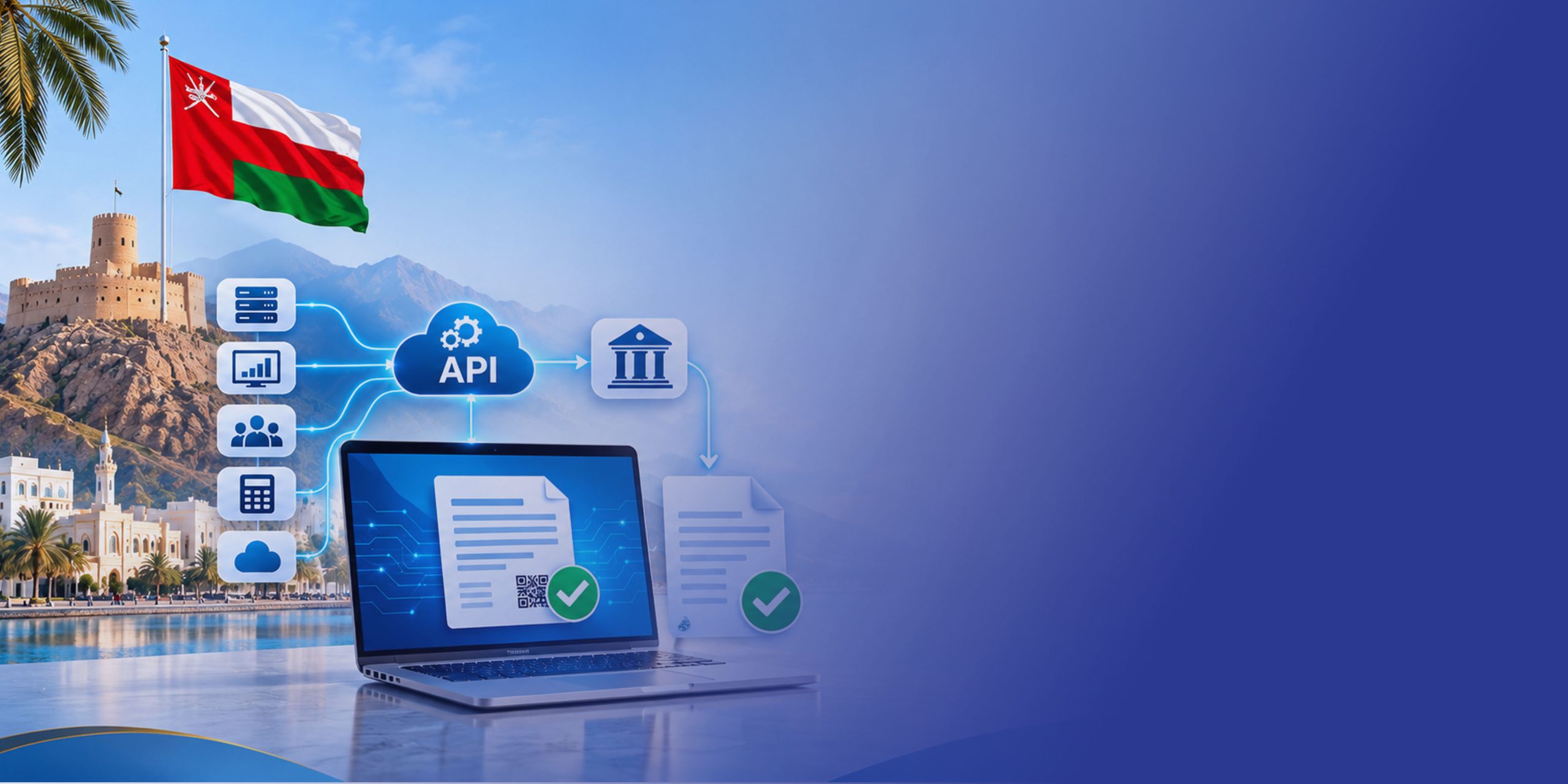
- Plan system integration: Ensure existing business applications can generate and exchange structured XML invoices.
- Test before implementation: Validate invoice workflows, reporting, data accuracy, and exception handling.
- Train finance teams: Prepare employees to manage digital invoicing processes and resolve transaction errors.
An appropriate Electronic invoicing system should support integration, secure data exchange, automated validation, and reliable invoice archiving.
Choosing the Right E-Invoicing Solution
Selecting the right technology partner is an important part of Electronic invoicing Oman implementation. Businesses should look beyond basic invoice generation and evaluate the provider’s ability to support the complete compliance lifecycle.
A reliable solution should offer:
- ERP and accounting software integration.
- Automated XML invoice generation and validation.
- Secure invoice transmission and storage.
- Support for B2B, B2C, and B2G transactions, as applicable.
- Real-time reporting and transaction monitoring.
- Scalable architecture for future business requirements.
Businesses adopting Electronic invoicing Oman should also consider Arabic and English invoice requirements, data security, technical support, and future regulatory updates.
Conclusion
The transition towards Electronic invoicing Oman represents a significant step in Oman’s digital tax transformation. With Fawtara introducing standardised digital invoicing, businesses have an opportunity to modernise financial operations, strengthen compliance, and improve transaction transparency.
Preparing for Electronic invoicing Oman today can help organisations achieve a smoother transition, reduce operational risks, and build more efficient finance functions.
Choosing the right technology and implementation partner will be essential for long-term success. Businesses that invest in preparation now will be better positioned for Oman’s evolving digital business environment.