
E-Invoicing in Food and Beverage Industry in UAE: Driving Compliance and Efficiency
The UAE is progressing toward a digitally connected tax ecosystem, with e-invoicing in food and beverage emerging as a critical focus area for businesses across restaurants, cafés, catering companies, food manufacturers, and distributors. As the government continues to develop its e-invoicing framework, organizations in the food and beverage sector should begin preparing for upcoming compliance requirements while leveraging opportunities to improve operational efficiency.
Why the Food and Beverage Industry Needs Digital Invoicing
The food and beverage industry handles a high volume of transactions daily, often involving multiple suppliers, distributors, and customers. Traditional invoicing methods can create challenges such as manual errors, delayed payments, and inefficient record management.
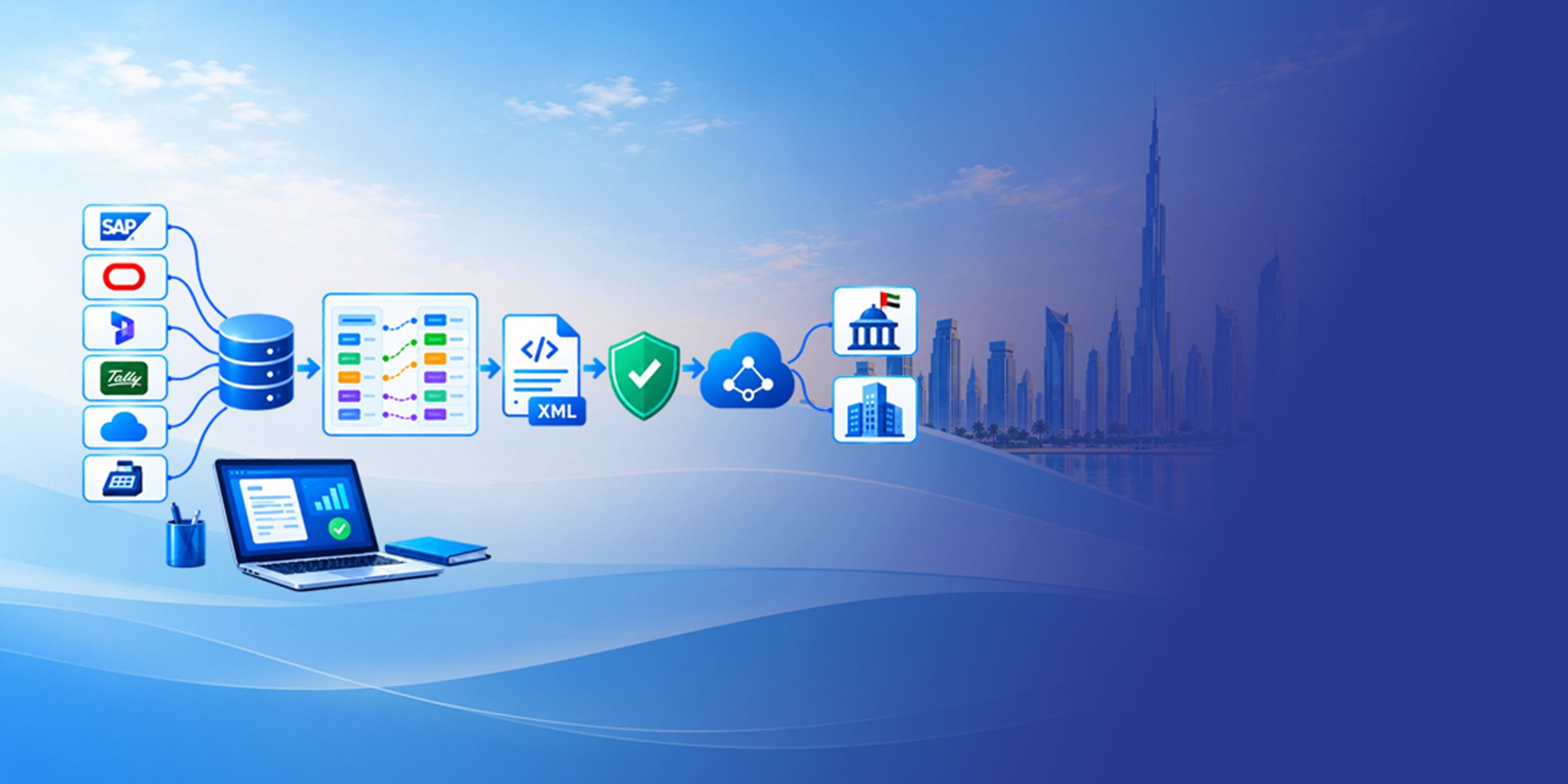
With the upcoming introduction of e-invoicing in food and beverage, businesses will be able to automate invoice creation, validation, transmission, and storage. This shift toward structured digital invoicing helps reduce administrative burdens while improving accuracy and transparency across financial operations.
UAE’s E-Invoicing Transformation
The UAE Ministry of Finance is currently developing a nationwide e-invoicing framework aimed at standardizing invoice exchange and enhancing tax compliance. The proposed model is expected to align with global Continuous Transaction Controls (CTC) principles and leverage a decentralized exchange approach.
This framework is likely to incorporate structured XML invoice formats and Peppol-based exchange mechanisms, enabling seamless data exchange between trading partners. Accredited Service Providers (ASPs) are expected to play a key role in facilitating invoice transmission and validation across the network.
As part of this transformation, invoices may undergo a structured validation lifecycle before being exchanged or reported, helping ensure compliance with regulatory and data format requirements. Businesses operating in the food and beverage sector should closely monitor these developments and begin assessing their readiness.
Benefits for Restaurants and Food Service Providers
Restaurants, cafés, quick-service chains, and catering businesses generate thousands of invoices every month. Implementing e-invoicing in food and beverage can streamline billing operations and improve financial visibility.
Key benefits include:
- Faster invoice processing
- Reduced manual data entry
- Improved payment tracking
- Enhanced VAT compliance
- Better audit readiness
- Lower operational costs
These advantages allow businesses to focus more on customer experience and growth rather than administrative tasks.
Advantages for Food Manufacturers and Distributors
Food manufacturers and distributors often operate within complex supply chains involving multiple stakeholders. E-invoicing in food and beverage enables a seamless flow of structured invoice data across procurement, inventory management, and finance functions.
By integrating invoicing processes with ERP systems, organizations can improve data accuracy, enable real-time visibility into transactions, and strengthen collaboration with suppliers and customers.
Compliance and Data Accuracy
One of the key drivers behind e-invoicing in food and beverage is improved regulatory compliance. Structured digital invoices reduce the risk of discrepancies and help ensure that invoice data aligns with required standards.
Advanced electronic invoicing system can support automated validation checks, ensuring that invoice data meets format and compliance requirements before transmission through the network. This becomes increasingly important as the UAE moves toward a more controlled and standardized invoicing environment.
Enhancing Customer and Supplier Relationships
Accurate and timely invoicing plays a critical role in maintaining strong business relationships. Through e-invoicing in food and beverage, suppliers receive invoices faster, payment cycles can be optimized, and disputes related to inaccuracies are minimized.
Improved transparency across the invoicing lifecycle strengthens trust between trading partners and supports smoother, more efficient operations.
Preparing for the Future
Businesses should begin assessing their current invoicing processes, ERP capabilities, and technology infrastructure to prepare for upcoming changes. Early preparation for e-invoicing in food and beverage can help organizations avoid last-minute implementation challenges and ensure a smoother transition once regulations are finalized.
Companies that proactively adopt digital invoicing practices will be better positioned to meet future compliance requirements while benefiting from enhanced operational efficiency and financial control.
Conclusion
As the UAE advances its digital transformation agenda, e-invoicing in food and beverage is set to become an important priority for businesses across the sector. From improving compliance and reducing manual effort to enabling structured data exchange and operational efficiency, the benefits are significant.
Organizations that invest early in e-invoicing readiness will be better equipped to adapt to regulatory changes and capitalize on long-term growth opportunities in the evolving UAE market.