
E-invoicing in Manufacturing: Why UAE Manufacturers Must Prepare Early
The UAE manufacturing sector is entering a significant phase of digital transformation, with e-invoicing in manufacturing emerging as a key compliance and operational priority. As the Federal Tax Authority (FTA) continues to advance toward a structured electronic invoicing framework, manufacturers are expected to prepare their finance systems, ERP platforms, and invoicing workflows for a more connected, automated, and transparent tax environment.
Challenges in Traditional Manufacturing Invoicing
Manufacturing businesses operate within complex supply chains involving multiple vendors, distributors, logistics providers, and high transaction volumes. Traditional invoice handling methods often result in delays, reconciliation challenges, duplicate entries, and increased compliance risks. This is where e-invoicing in manufacturing can play a transformative role, helping organizations streamline operations while aligning with evolving regulatory expectations in the UAE.
Shift Toward Structured Electronic Invoices
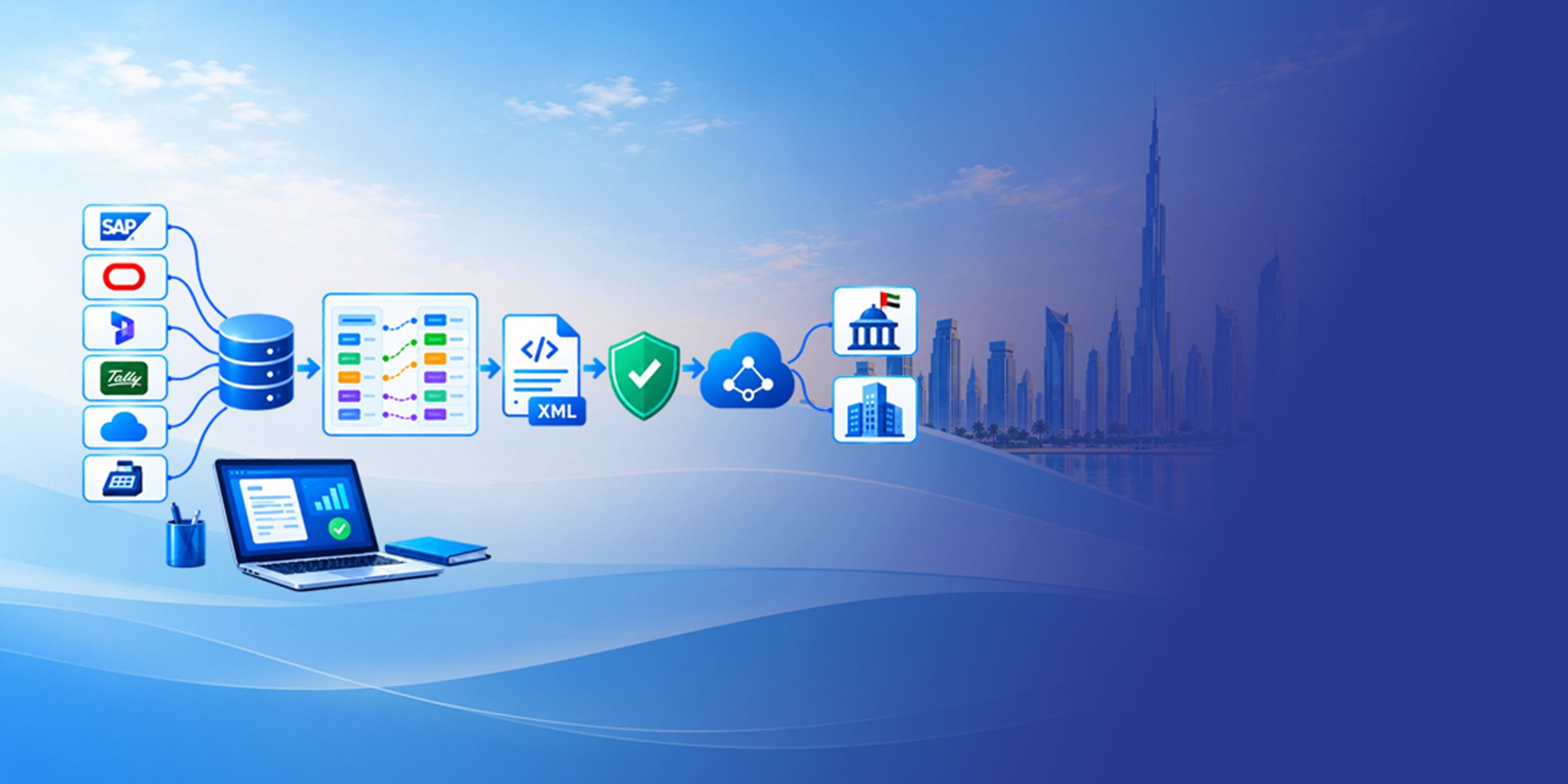
Unlike conventional PDF invoices or manually generated billing documents, the upcoming UAE framework is expected to require machine-readable structured invoice formats, such as XML-based standards. These formats enable automated validation, seamless data exchange, and improved interoperability between systems. This shift will impact procurement, finance, warehouse operations, and tax reporting functions across manufacturing organizations.
The framework is also likely to align with global continuous transaction control (CTC) trends, where invoices may be validated at or near the time of issuance. While the final model is still under development, early indicators suggest a move toward a decentralized exchange architecture, potentially influenced by Peppol-based interoperability frameworks.
Automation Benefits for Manufacturers
Automation is one of the most significant advantages of e-invoicing in manufacturing. Companies routinely process large volumes of invoices related to raw materials, machinery, logistics, packaging, and distribution. Automated validation and processing reduce manual intervention, minimize errors, and accelerate invoice approvals. This not only improves supplier relationships but also enhances working capital and cash flow management.
ERP Integration and Centralized Operations
Electronic invoicing enables stronger integration with ERP systems such as SAP, Oracle, Microsoft Dynamics, and Tally. Manufacturers operating across multiple plants and warehouses can benefit from centralized invoice management, improved data consistency, and enhanced financial visibility. Integration also strengthens audit readiness and internal controls, particularly when aligned with structured data standards.
Importance of Early Compliance Preparation
Compliance remains a critical driver for early action. The UAE’s e-invoicing framework is expected to introduce standardized invoice exchange and validation lifecycle processes, including invoice generation, validation, transmission, and reporting. Businesses that delay preparation may face invoice rejections, reporting inefficiencies, or operational bottlenecks once implementation timelines are formally announced. Preparing before the uae e-invoicing deadline will help organizations avoid rushed implementations and unnecessary compliance risks.
Improving Cross-Border Trade Processes
For export-oriented manufacturers, e-invoicing in manufacturing can simplify international trade documentation and enhance transaction transparency. Structured digital invoice exchange facilitates smoother communication between suppliers, buyers, customs authorities, and financial institutions. This is particularly valuable for companies engaged in cross-border trade across GCC countries and global markets.
Enhancing Data Accuracy and Reporting
Data accuracy is critical in manufacturing environments. Errors in tax calculations, mismatched purchase orders, or duplicate entries can lead to financial discrepancies and compliance risks. With structured e-invoicing, businesses can improve accuracy through standardized XML formats and automated validation checks, reducing reconciliation efforts and strengthening reporting processes.
Long-Term Business Advantages
The transition to electronic invoicing is not only a compliance requirement but also a long-term digital strategy. Manufacturers that proactively invest in technology upgrades, process redesign, and employee training are likely to gain a competitive advantage. Assessing current invoicing infrastructure and identifying integration gaps will be key to ensuring readiness for future regulatory developments.
Security and Audit Readiness
Structured electronic invoices enhance security, traceability, and transparency by creating clear digital audit trails. Compared to paper-based or fragmented systems, e-invoicing enables better tracking of invoice lifecycle events, approvals, and payments, improving governance and reducing fraud risks.
Conclusion
As the UAE progresses in its digital tax transformation journey, e-invoicing in manufacturing is expected to become a standard business requirement. Manufacturers that take early steps toward readiness will be better positioned to ensure compliance, improve operational efficiency, and strengthen financial transparency. Proactive preparation will ultimately enable organizations to adapt quickly and build a scalable, future-ready invoicing ecosystem.