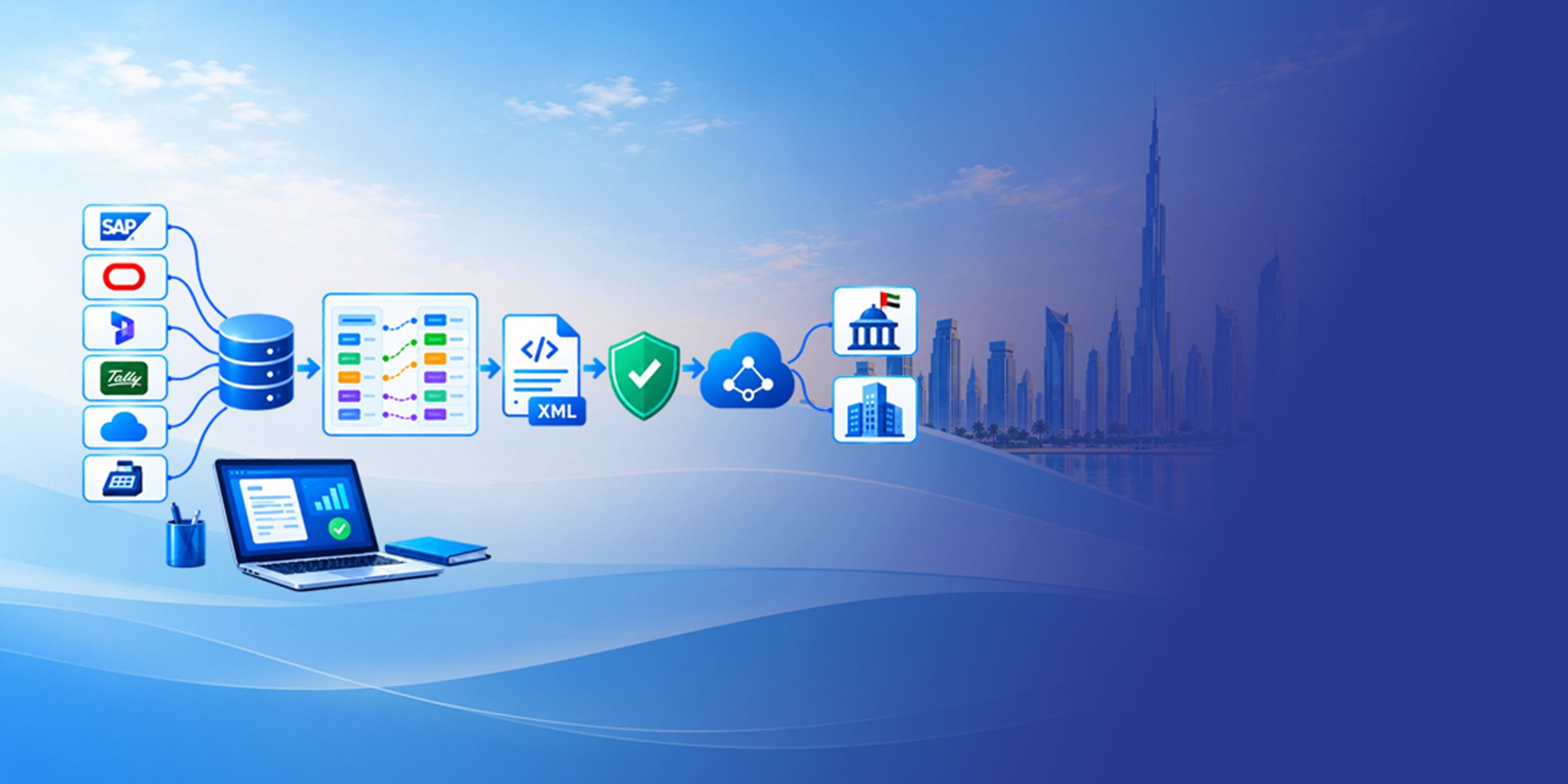

E-Invoicing in Logistics & Transportation: Driving Compliance and Efficiency in the UAE
The UAE is rapidly advancing toward a fully digital tax ecosystem, making e-invoicing in logistics and transportation a critical priority for businesses operating across supply chains, freight services, warehousing, and transportation networks. As the government progresses toward a nationwide e-invoicing framework, organizations in this sector must begin evaluating their invoicing processes, technology infrastructure, and compliance readiness.
Why the Logistics & Transportation Sector Needs Digital Transformation
The logistics and transportation industry handles a high volume of transactions involving freight charges, fuel costs, warehousing fees, customs-related services, and vendor payments. Managing these invoices manually often leads to delays, errors, and compliance challenges. This is where e-invoicing in logistics and transportation provides significant value by enabling standardized, automated, and secure invoice exchange between trading partners.
With increasing demand for faster deliveries and real-time operational visibility, businesses require digital processes that support efficiency while aligning with evolving regulatory expectations.
Key Benefits of E-Invoicing for Logistics Companies
One of the primary advantages of e-invoicing in logistics and transportation is improved operational efficiency. Automated invoice generation and validation reduce manual intervention and accelerate processing times.
Additionally, organizations can benefit from:
- Faster invoice approvals and payments
- Reduced administrative costs
- Improved invoice accuracy
- Better visibility into financial transactions
- Enhanced audit readiness
- Stronger compliance controls
By implementing e-invoicing in logistics and transportation, companies can streamline financial operations while supporting business growth and scalability.
Compliance Requirements in the UAE
The UAE Ministry of Finance is developing an e-invoicing framework aligned with international standards, expected to leverage the Peppol network and a decentralized exchange model. Businesses will be required to issue and exchange structured electronic invoices through Accredited Service Providers (ASPs).
For logistics providers, early adoption of e-invoicing in logistics and transportation can help avoid disruptions when compliance mandates come into effect. Organizations that continue relying on paper-based or unstructured invoices may face challenges in meeting future requirements.
Preparing in advance allows businesses to align systems, train teams, and establish compliant invoicing workflows.
Common Challenges During Implementation
While the benefits are substantial, organizations may encounter several challenges when implementing e-invoicing in logistics and transportation.
These challenges often include:
- Integration with ERP and accounting systems
- Managing invoices across multiple locations
- Handling high transaction volumes
- Ensuring data quality and accuracy
- Adapting existing approval workflows
A well-planned implementation strategy can help businesses overcome these obstacles and achieve a smooth transition to digital invoicing.
Integration with Existing Business Systems
Successful adoption of e-invoicing in logistics and transportation depends heavily on system integration. Logistics companies often operate complex technology environments that include transportation management systems, warehouse management platforms, ERP solutions, and accounting software.
Integrating these systems with an e-invoicing platform enables seamless invoice creation, validation, transmission, and exchange via the Peppol network. It also minimizes manual data entry and improves consistency across business operations.
Organizations should assess their current infrastructure and identify any upgrades required before implementation.
Preparing for Future Compliance
As regulatory requirements continue evolving, businesses must establish a proactive compliance strategy. Implementing e-invoicing in logistics and transportation is not only about meeting future mandates but also about creating a foundation for digital business operations.
Companies should review invoice formats, evaluate technology partners, map existing processes, and conduct readiness assessments. Early preparation reduces implementation risks and ensures a smoother transition when regulations become mandatory.
Businesses should also stay informed about potential UAE e-invoicing penalties that may apply once enforcement begins.