
E-invoicing in real estate Is Transforming UAE Property Operations
The UAE real estate sector is entering a new phase of digital transformation, and e-invoicing in real estate is set to become a critical enabler of compliance, transparency, and operational efficiency. As the UAE advances toward a structured electronic invoicing framework, property developers, brokers, leasing companies, and facility management firms are preparing their systems and processes for a fundamental shift in how invoices are generated, exchanged, and reported.
This transformation is not just about digitizing invoices—it represents a broader move toward real-time tax visibility, standardized data exchange, and automation across the entire property ecosystem.
Why e-invoicing in real estate Matters for UAE Businesses
The UAE property market manages a high volume of transactions, including property sales, lease agreements, service charges, maintenance billing, and vendor payments. Traditional invoicing methods—often manual or semi-digital—create inefficiencies such as delays, reconciliation issues, and increased compliance risks.
E-invoicing in real estate addresses these challenges by enabling structured, machine-readable invoices that can be generated, validated, and exchanged automatically. This reduces manual intervention and ensures consistency across transactions involving multiple stakeholders such as tenants, contractors, suppliers, and financial institutions.
As real estate businesses often operate across complex project structures and multiple entities, automation helps create a more controlled and scalable financial environment.
UAE E-Invoicing Framework: What Real Estate Companies Must Know
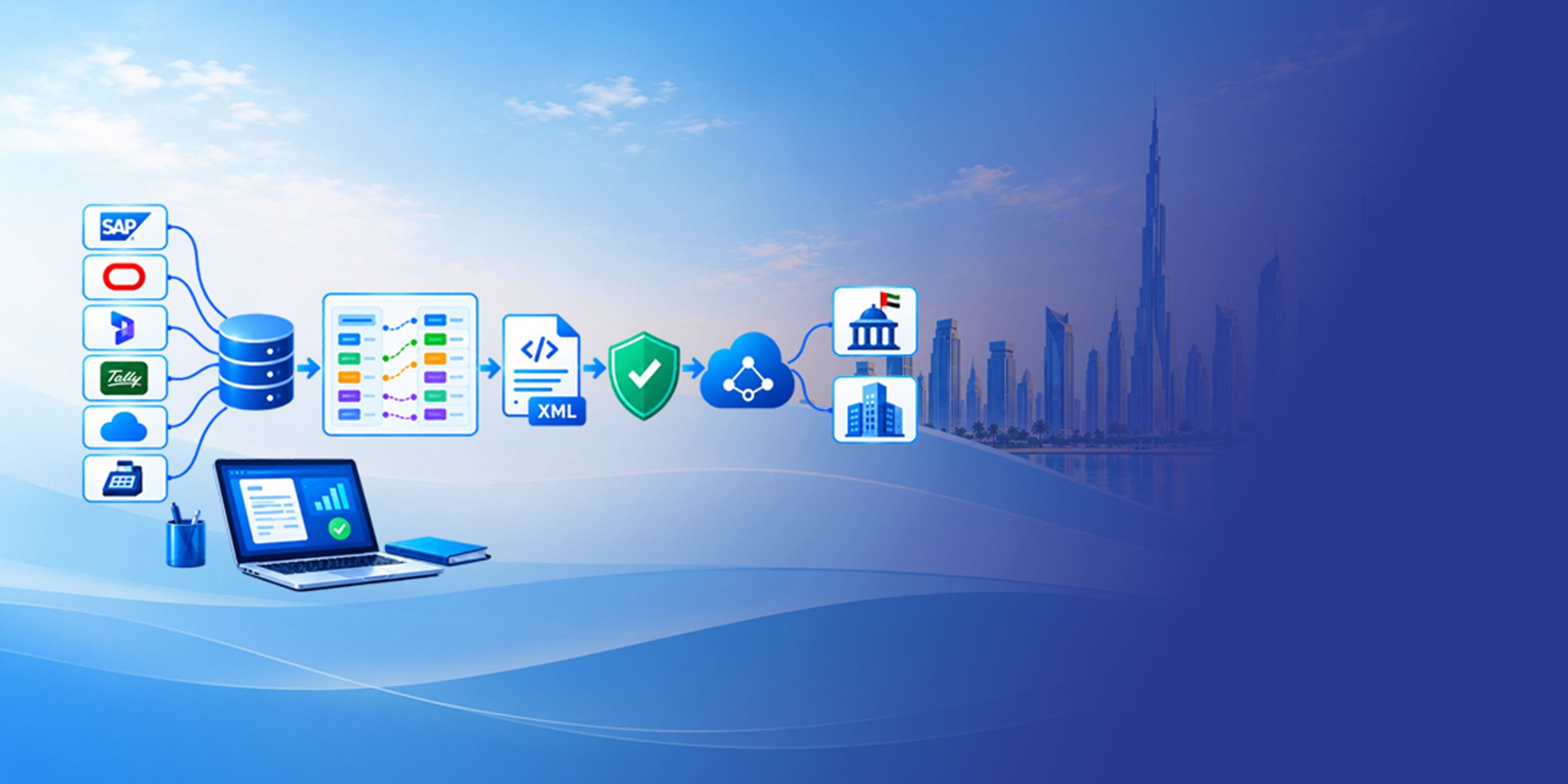
The UAE is in the process of implementing a decentralized Continuous Transaction Controls (CTC) model aligned with the Peppol network. Under this model, invoices will be exchanged through accredited service providers and validated in structured formats such as XML.
Unlike traditional invoicing, this framework introduces:
- Standardized invoice data formats
- Real-time or near real-time validation
- Secure exchange through certified intermediaries
- Increased visibility for tax authorities
Although the mandate is expected to be introduced in phases starting from 2026, businesses must begin preparation early. Real estate companies, given their transaction complexity and high-value deals, will be significantly impacted by these changes.
Compliance Benefits for the Real Estate Sector
E-invoicing in real estate will play a key role in strengthening VAT compliance and audit readiness. By enforcing structured data and validation rules, the system minimizes risks such as:
- Duplicate invoicing
- Missing or incomplete documentation
- Calculation errors in VAT
- Inconsistent reporting across entities
For an industry where transactions often involve large monetary values and long project lifecycles, even minor discrepancies can lead to financial exposure and regulatory scrutiny. Automated invoicing workflows ensure accuracy, traceability, and alignment with evolving tax requirements.
Operational Efficiency and Faster Payment Cycles
One of the most immediate benefits of e-invoicing in real estate is improved operational efficiency. Traditional invoicing processes rely heavily on manual approvals, physical documentation, and fragmented communication between departments.
With e-invoicing:
- Invoices can be generated and transmitted instantly
- Approval workflows become automated and trackable
- Payment cycles are significantly reduced
- Reconciliation processes are streamlined
For developers and property management firms handling large-scale projects, faster invoicing directly improves cash flow and financial predictability.
Enhancing Transparency Across Property Transactions
Transparency is critical in real estate due to the involvement of multiple stakeholders and high-value transactions. E-invoicing introduces a single source of truth through standardized digital records that are easy to access, validate, and audit.
This enables:
- Clear visibility into invoice status and payment timelines
- Improved dispute resolution through accurate records
- Better coordination between owners, tenants, and service providers
As a result, trust and accountability across the ecosystem are significantly enhanced.
Integration With ERP and Financial Systems
Modern real estate organizations rely on ERP and accounting platforms to manage finance, procurement, and project operations. Integrating e-invoicing in real estate with these systems is essential for seamless compliance and efficiency.
Integration enables:
- Automated data synchronization across systems
- Real-time tax calculation and validation
- Streamlined vendor and procurement workflows
- Reduced manual data entry and errors
The integration also supports smoother procurement and vendor management processes. As the UAE moves toward a connected digital economy, many organizations are exploring b2b e-invoicing capabilities to improve collaboration with suppliers and partners. This creates a seamless invoicing environment that reduces manual intervention and enhances overall productivity.
Key Challenges and Preparation Areas
While the benefits are substantial, implementing e-invoicing in real estate requires careful planning. Key challenges include:
- Upgrading legacy ERP and billing systems
- Ensuring compatibility with structured invoice formats
- Managing integration with accredited service providers
- Training finance and operational teams
- Strengthening data security and governance frameworks
Early assessment and phased implementation strategies will be critical to avoid disruption when the mandate becomes effective.
The Future of e-invoicing in real estate in the UAE
The future of the UAE real estate sector will be increasingly digital, standardized, and compliance-driven. E-invoicing is not just a regulatory requirement—it is a strategic opportunity to modernize financial operations and gain real-time visibility into business performance.
Organizations that proactively adopt e-invoicing in real estate will benefit from improved efficiency, stronger compliance, and enhanced stakeholder trust. As the UAE’s e-invoicing framework evolves, early adopters will be better positioned to navigate regulatory changes and gain a competitive advantage in a rapidly transforming market.