
E-Invoicing in Tourism: Transforming UAE Travel and Tourism Operations
The UAE is one of the world’s leading travel destinations, attracting millions of visitors every year. As the country continues its digital transformation journey, e-invoicing in tourism is expected to become a key compliance requirement for businesses operating in the travel ecosystem. From travel agencies and tour operators to hotels and destination management companies, organizations must prepare for a more connected and compliant invoicing environment.
The Growing Importance of Digital Invoicing
The tourism sector handles a large volume of transactions involving accommodation, transportation, excursions, and travel packages. Traditional invoicing processes often create challenges such as manual errors, delayed payments, and compliance risks. With the UAE moving toward a structured e-invoicing framework, businesses are expected to adopt digital invoicing practices that improve transparency and efficiency.
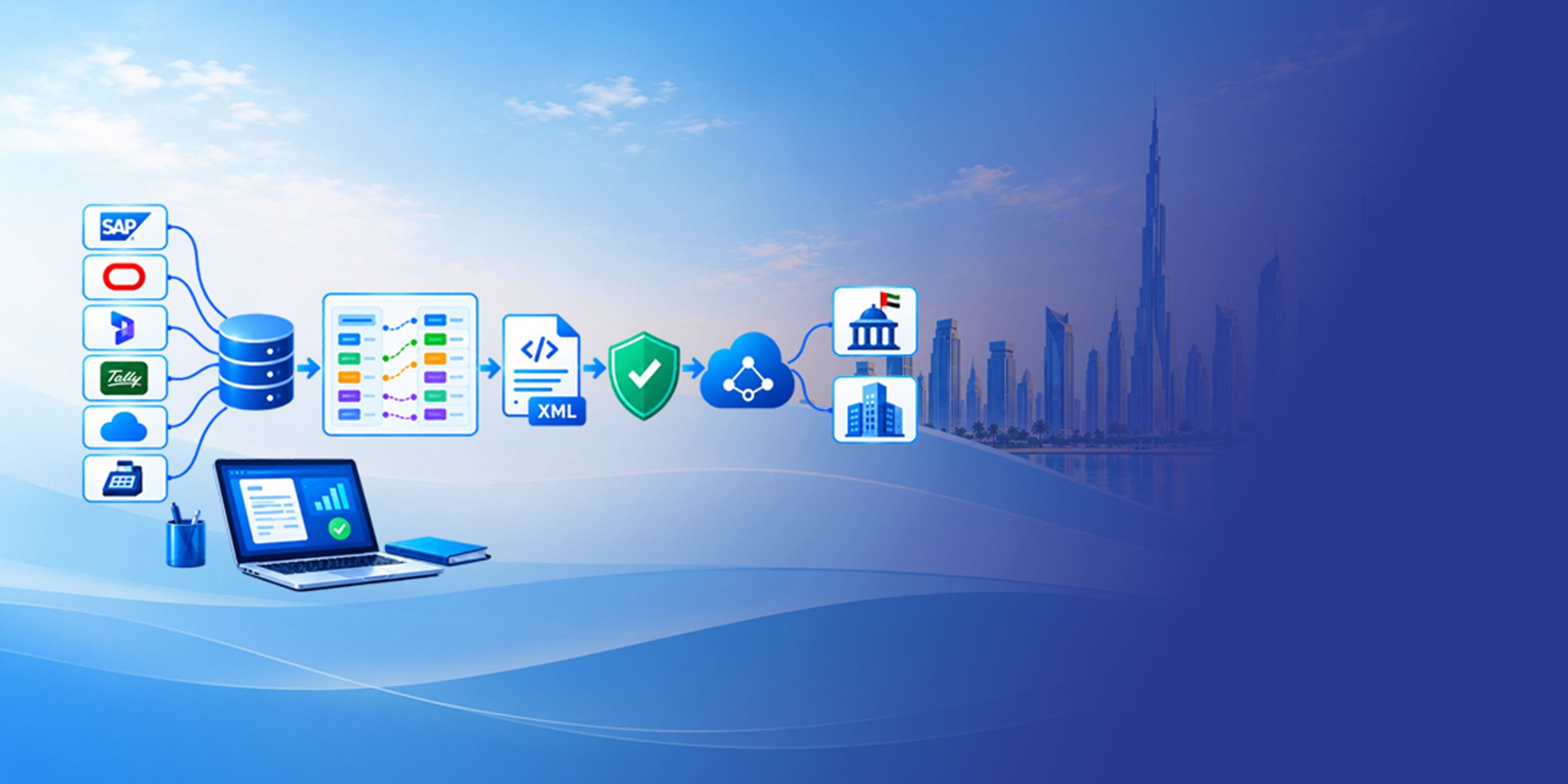
The UAE’s e-invoicing framework is expected to follow a decentralized Continuous Transaction Controls (CTC) model, leveraging structured XML formats and the Peppol network for invoice exchange. This approach enables standardized invoice generation, validation, and transmission through accredited service providers, helping businesses align with evolving regulatory expectations.
Implementing e-invoicing in tourism allows companies to automate invoice creation, validation, and exchange while maintaining accurate financial records. This helps organizations reduce administrative workloads and focus more on delivering exceptional customer experiences.
Benefits for Tourism Businesses
One of the key advantages of e-invoicing in tourism is improved operational efficiency. Automated invoice processing reduces the need for manual data entry and minimizes the risk of human error. Travel companies can generate invoices faster and ensure that transactions are recorded accurately.
Another significant benefit of e-invoicing in tourism is enhanced compliance. As the UAE introduces structured invoice formats and standardized validation processes, businesses will need to ensure alignment with regulatory requirements. This includes maintaining audit-ready records, improving data accuracy, and enabling seamless invoice exchange across trading partners through interoperable networks.
Improving Financial Visibility
Tourism businesses often work with numerous suppliers, including airlines, hotels, transport providers, and local tour operators. Managing invoices from various stakeholders can be complex. Through e-invoicing in tourism, organizations gain better visibility into their financial transactions and cash flow.
Near real-time invoice exchange and tracking enable finance teams to monitor payment statuses, identify bottlenecks, and improve reconciliation processes. As a result, businesses can make informed financial decisions and strengthen supplier relationships.
Supporting a Better Customer Experience
Customer expectations in the tourism industry continue to evolve. Travelers increasingly expect seamless digital interactions throughout their journey. By adopting e-invoicing in tourism, businesses can provide customers with faster and more accurate billing experiences.
Digital invoices can be delivered instantly through electronic channels, reducing delays and improving convenience. Whether customers are booking tours, transportation, or vacation packages, e-invoicing in tourism helps create a smoother and more professional transaction process.
Preparing for UAE Regulatory Changes
The UAE government is actively promoting digital tax compliance initiatives. As regulations continue to evolve, tourism companies should begin assessing their invoicing systems and processes in advance of formal mandates. Early preparation ensures a smoother transition and reduces the risk of future compliance challenges.
Organizations implementing e-invoicing in tourism can position themselves ahead of regulatory requirements while gaining long-term operational benefits. Businesses that act early will have more time to optimize workflows, train employees, and integrate systems effectively.
Technology Integration Considerations
Successful implementation requires more than simply digitizing invoices. Companies must ensure that their accounting, ERP, and booking systems can support structured electronic invoice generation, validation, and exchange. Choosing the right e-invoicing software and accredited service provider can simplify integration and enable seamless data flow across departments.
As businesses expand their digital capabilities, e-invoicing in tourism becomes a strategic component of broader digital transformation initiatives. Integration helps eliminate data silos and improves reporting accuracy across the organization.
Future Outlook for the Tourism Sector
The UAE tourism industry is expected to continue its strong growth trajectory, supported by government initiatives and increasing international travel. As the sector becomes more digital, e-invoicing in tourism will play a critical role in enabling efficient financial operations and supporting regulatory compliance.
Businesses that embrace e-invoicing in tourism today can improve efficiency, strengthen compliance readiness, and enhance customer satisfaction. By investing in the right processes and technologies, tourism organizations can prepare for the future while maintaining a competitive edge in the UAE’s dynamic travel market.