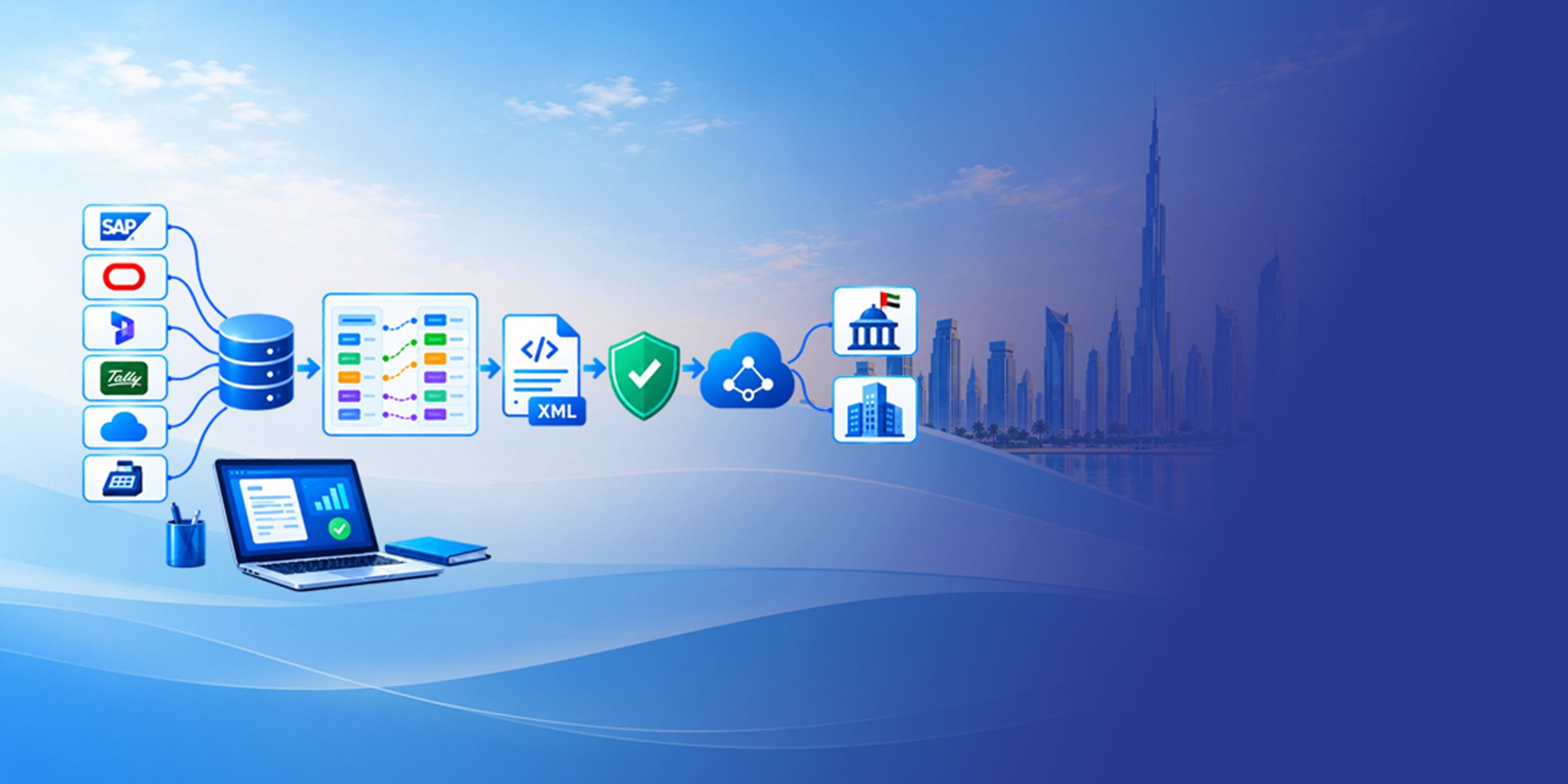

Finance Process Automation: The Backbone of UAE E-Invoicing Implementation
Why UAE Businesses Need Finance Process Automation Now
The UAE’s move toward mandatory e-invoicing is reshaping how companies manage billing, tax reporting, and financial workflows. As the Federal Tax Authority rolls out phased e-invoicing requirements, finance process automation has become the foundation businesses need to stay compliant, efficient, and audit-ready. Without it, finance teams risk manual errors, delayed reconciliations, and non-compliance penalties.
Quick answer: Finance process automation is the use of software to digitize and streamline invoicing, approvals, tax calculations, and reporting — a requirement, not a luxury, for UAE e-invoicing compliance.
What Is UAE E-Invoicing and Why Does It Matter?
UAE e-invoicing mandates that businesses issue, validate, and report invoices electronically through a structured, standardized format (based on the PINT AE data model), often via Accredited Service Providers. This shift affects every function that touches an invoice — sales, procurement, tax, and finance operations. Companies that rely on legacy, paper-based, or semi-manual systems will struggle to keep pace, making automation a strategic necessity rather than a technical upgrade.
The Role of Finance Process Automation in E-Invoicing Success
It directly supports UAE e-invoicing implementation in several ways:
- Real-time invoice generation and validation against FTA-mandated schemas
- Automated data flow between ERP systems, accounting software, and government reporting portals
- Error reduction through automated tax calculations and format checks
- Faster approval cycles with automated routing and digital sign-offs
- Audit-ready records with automatic timestamping and archiving
By embedding finance process automation into core operations, businesses eliminate the manual bottlenecks that typically cause invoice rejections or reporting delays under the new e-invoicing framework.
Step 1: Start With a UAE E-Invoicing Gap Analysis
Before implementing any new tools, finance leaders should conduct a uae e-invoicing gap analysis to identify where current systems, data formats, and workflows fall short of FTA requirements. This assessment maps existing invoice processes against the mandated structure, revealing integration gaps, missing data fields, and manual touchpoints that need automation.
Step 2: Choose the Right Finance Process Automation Platform
Not all automation tools are built for UAE compliance. Look for platforms that:
- Integrate natively with FTA-accredited service providers
- Support PINT AE and Peppol-based invoice exchange
- Offer configurable approval workflows
- Provide real-time dashboards for finance teams
Selecting the right automation solution ensures a smoother transition and reduces implementation risk.
Step 3: Integrate Across Your Finance Stack
Effective automation isn’t a standalone tool — it connects ERP, accounts payable, accounts receivable, and tax reporting into a single, synchronized workflow. This integration ensures invoices generated in one system are automatically validated, reported, and archived without duplicate manual entry.
Business Benefits Beyond Compliance
Companies that invest in finance process automation for e-invoicing typically see:
- Faster month-end close cycles
- Reduced invoice processing costs
- Fewer compliance errors and penalties
- Improved cash flow visibility
- Stronger audit trails
These gains extend well beyond the e-invoicing mandate, improving overall financial operations.
Frequently Asked Questions
Is finance process automation mandatory for UAE e-invoicing?
It’s not explicitly mandated, but manual processes make compliance with real-time reporting requirements nearly impossible at scale.
When should we start implementation?
Businesses should begin now, starting with a gap analysis, to avoid last-minute compliance risks as phased deadlines approach.
Final Thoughts
E-invoicing UAE is a compliance deadline, but it’s also an opportunity. Businesses that prioritize finance process automation today will not only meet regulatory requirements but also build faster, more resilient financial operations for the future.