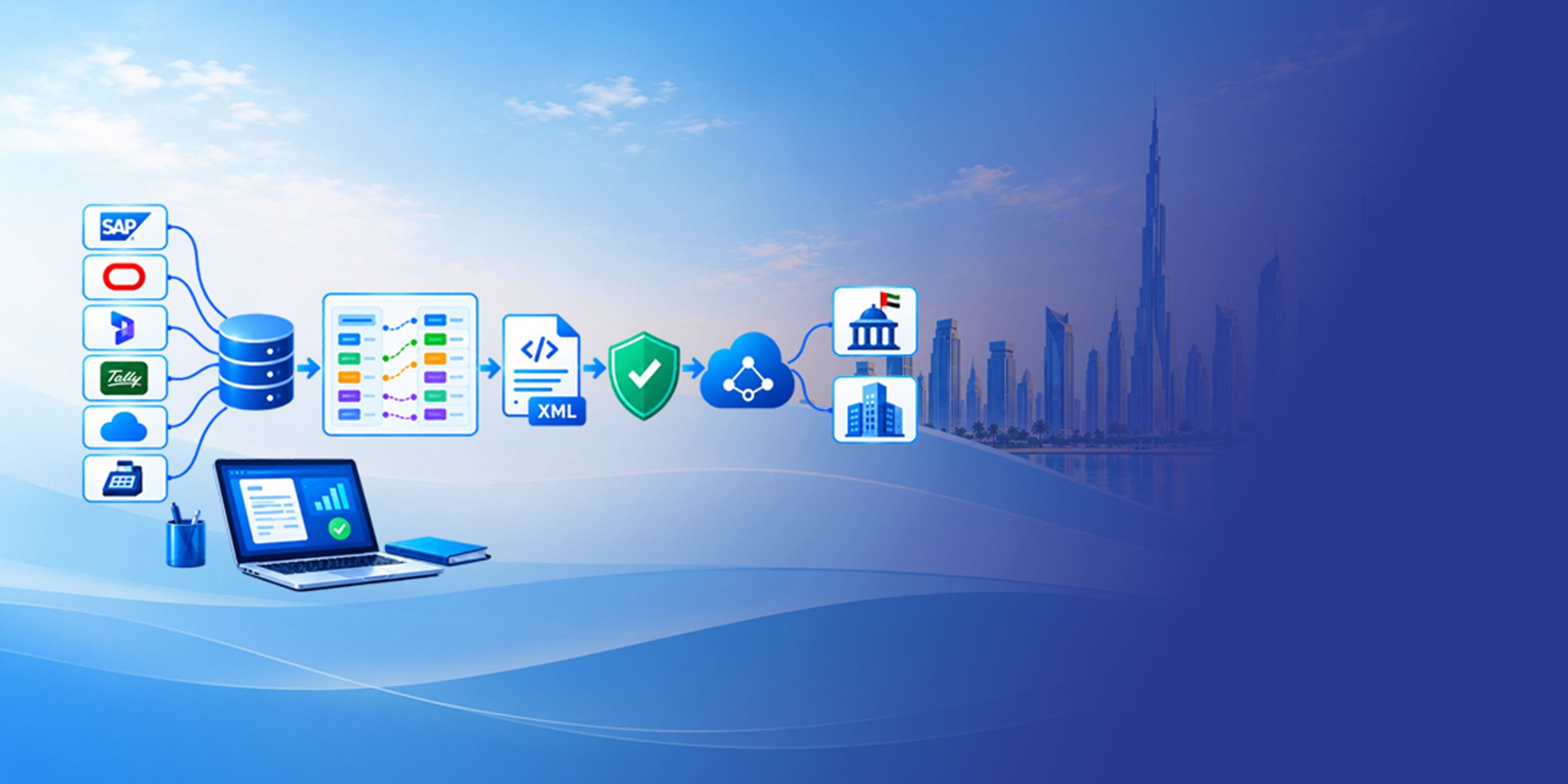

Hidden Challenges in Oman Fawtara: What Businesses Must Know About Oman VAT E-Invoicing
As Oman advances its digital tax transformation, Oman Fawtara is emerging as a key initiative expected to reshape compliance frameworks. While detailed regulations are still awaited, Oman VAT e-invoicing is anticipated to significantly change how businesses manage invoicing, reporting, and tax controls.
For finance leaders, tax managers, and CIOs, understanding the hidden challenges and preparing early for it can make the difference between smooth compliance and operational disruption.
Understanding Oman Fawtara and Oman VAT E-Invoicing
It is widely expected to be part of the country’s broader effort to modernize tax reporting under the supervision of the Oman Tax Authority. While the final framework is not yet officially released, it is likely to introduce structured electronic invoicing aligned with global standards.
Businesses may eventually need to generate, validate, and exchange invoices in a standardized digital format. Depending on the final model, Oman VAT e-invoicing could include real-time or near real-time reporting elements, similar to systems implemented in other GCC countries.
Despite these anticipated benefits, will introduce complexities that businesses must address proactively.
- Legacy ERP Systems May Not Be Ready for OmanFawtara
One of the biggest hidden challenges is outdated ERP infrastructure. Many organizations preparing for Oman VAT e-invoicing still rely on:
- Customized ERP workflows
- Manual invoice approvals
- Non-standard invoice templates
- Disconnected accounting systems
These systems were not designed for structured digital reporting. As it evolves, businesses may discover that their systems cannot support requirements without significant upgrades or integrations.
- VAT Classification Errors Become More Visible Under Oman VAT E-Invoicing
Under traditional processes, VAT errors can remain undetected until periodic filings. However, with e-invoicing, errors may become more visible depending on how Oman Fawtara is implemented.
Common issues include:
- Incorrect zero-rated transactions
- Misclassified exempt supplies
- Wrong VAT rates applied
- Inconsistent customer tax data
Because it is expected to rely on structured data, even small inaccuracies can create broader compliance risks in this environment.
- Supplier and Customer Readiness in OmanFawtara
A major but often overlooked challenge is ecosystem readiness.
Even if your organization is prepared for Oman VAT e-invoicing, external stakeholders may not be:
- Suppliers may not issue compliant invoices
- Customers may not accept new formats
- International partners may follow different standards
This will likely require alignment across trading partners, lack of readiness can delay adoption and create reconciliation challenges in processes.
- Data Quality Risks in Oman VAT E-Invoicing
Data quality becomes a critical success factor under Oman Fawtara. Poor master data can significantly impact e-invoicing compliance.
Businesses commonly face:
- Duplicate customer records
- Missing VAT registration numbers
- Incorrect legal entity names
- Inconsistent product tax classifications
Such issues could lead to invoice rejection or reporting discrepancies, depending on the final model adopted.
- Reduced Room for Error in OmanFawtara
Traditional VAT systems allow corrections during periodic filings. However, Oman VAT e-invoicing is expected to reduce the window for error correction.
Businesses should prepare for:
- Automated validation rules
- Real-time or near real-time checks
- Exception monitoring
- Faster approval workflows
Without these controls, even minor issues can escalate quickly in this environment.
- Cross-Border Complexity and Oman VAT E-Invoicing
For multinational businesses, Oman Fawtara introduces additional complexity when combined with regional obligations.
Organizations operating across GCC markets must manage:
- Different VAT rules by jurisdiction
- Multiple invoice formats
- Varying reporting timelines
- Complex cross-border e-invoicing (tax) treatments
Aligning with other regional frameworks can be significantly more challenging than anticipated, especially as it evolves.
How Businesses Can Prepare for Oman Fawtara
To mitigate risks and ensure readiness, businesses should begin preparing for Oman VAT e-invoicing now:
- Assess ERP system readiness
- Clean and standardize VAT master data
- Map invoice and approval workflows
- Train finance and tax teams
- Evaluate supplier and customer readiness
- Implement automation and validation tools
Early preparation is critical to navigate successfully and ensuring compliance with the necessary requirements.
Final Thoughts on Oman Fawtara
The shift toward Oman Fawtara represents more than a technical upgrade—it signals a transformation in tax compliance and reporting. While Oman e-invoicing is still evolving, the challenges outlined above highlight the importance of early planning.
Businesses that proactively prepare will be better positioned to adapt, reduce compliance risks, and leverage Oman e-invoicing as a strategic advantage rather than a regulatory burden.