
KSeF Poland: Compliance Is Only the First Step—What Businesses Must Prepare for Next
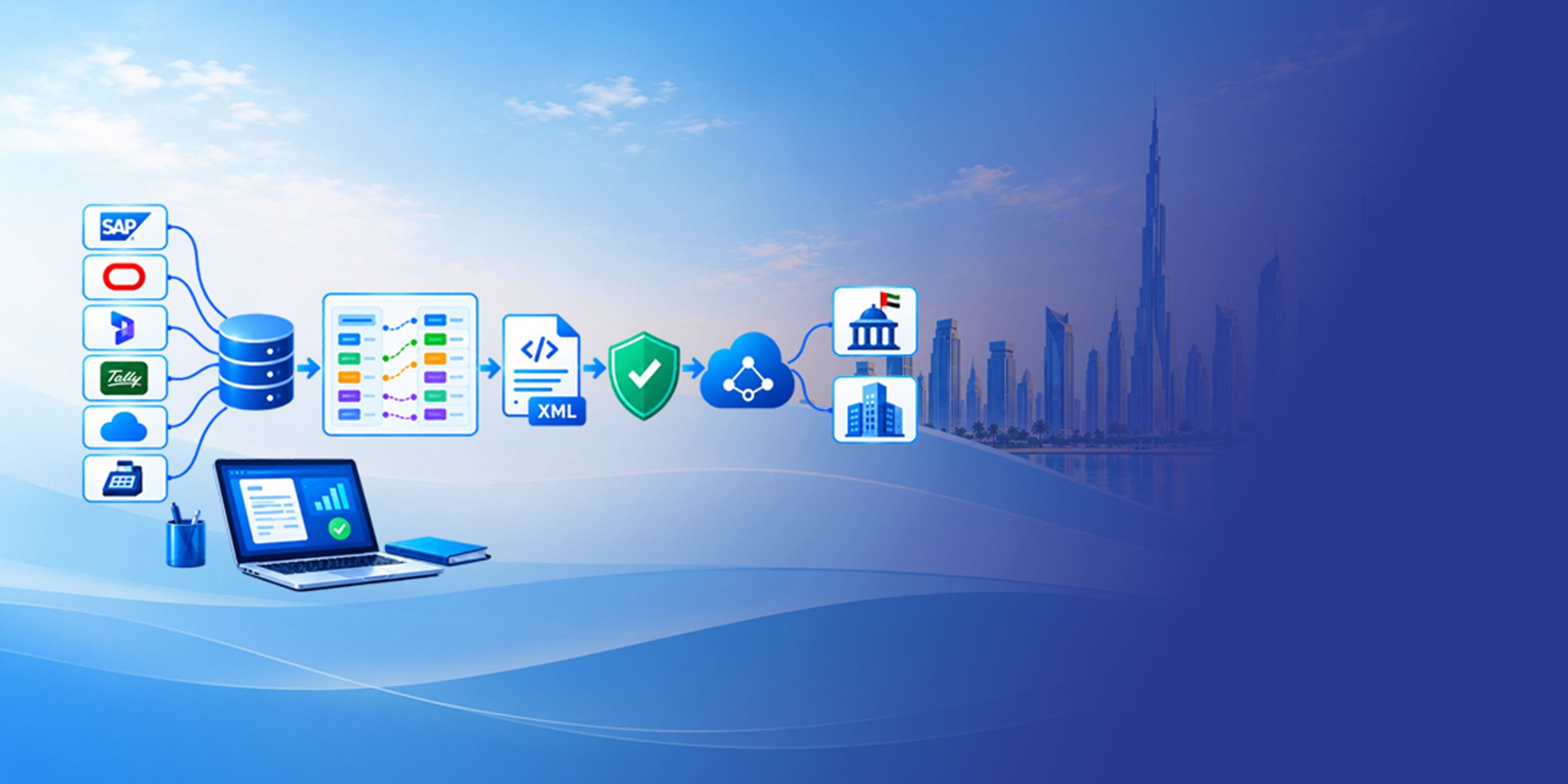
As organizations accelerate their readiness for KSeF Poland, most efforts are centered around achieving compliance—integrating systems, meeting schema requirements, and ensuring invoices are successfully transmitted.
However, this perspective is incomplete.
KSeF Poland represents more than a regulatory mandate; it introduces a structural shift in how invoicing, financial data, and operational workflows function. While compliance is essential, it is only the starting point. The real challenge lies in managing the ongoing operational and financial implications that follow implementation.
Rethinking Success in a KSeF Poland Environment
For many organizations, success in Poland is defined by the ability to send compliant invoices through the system. In reality, this is a narrow benchmark.
Once implemented, invoicing becomes a near real-time, validation-driven process under KSeF Poland. Invoices must meet strict data requirements and are legally issued only upon successful validation and acceptance by the system, at which point a unique reference number is assigned. Even minor discrepancies can result in rejection, directly impacting billing cycles and customer interactions.
As a result, it does not reduce complexity—it redistributes it across systems, data, and processes.
The Shift from Documents to Structured Data in KSeF Poland
One of the most significant transformations introduced by KSeF Poland is the move from document-based invoicing to structured data exchange.
Invoices are no longer static records but validated data sets processed through a centralized platform. This shift places increased importance on data accuracy across ERP systems, master data, and transaction records within a framework.
Data inconsistencies are no longer internal issues—they are immediately visible and actionable. Errors such as incorrect VAT identification, misclassified transactions, or incomplete customer data can lead to rejection and operational disruption.
Consequently, organizations must prioritize data governance as a core component of their strategy.
Implications for Cash Flow and Financial Performance
An often-overlooked aspect of KSeF Poland is its direct impact on cash flow.
Under traditional invoicing models, delays were largely internal. In contrast, it introduces validation at the point of submission, where invoices that fail validation are not accepted and therefore not legally issued. This means that any error can delay invoice issuance and, consequently, payment cycles.
At the same time, organizations that optimize their processes which can benefit from faster invoice acceptance, reduced disputes, and improved payment timelines. In this context, compliance evolves into a driver of financial efficiency.
Operational Impact on Internal Workflows
The implementation of KSeF Poland necessitates a fundamental change in internal workflows.
Traditional processes allowed for post-issuance corrections. However, validation must occur prior to submission. This requires finance teams to transition from document review to proactive data validation.
Approval cycles must become more streamlined, and collaboration between finance and IT functions becomes critical. Without these adjustments, it may introduce bottlenecks rather than efficiencies.
Managing Post-Implementation Complexity
A critical yet under-discussed aspect of KSeF Poland is the operational complexity that arises after go-live.
Organizations must be prepared to manage:
- Real-time invoice rejections and resubmissions
- Structured correction processes, including credit notes
- Reconciliation between KSeF data, ERP systems, and VAT reporting
These ongoing requirements highlight that it is not a one-time implementation project but a continuous operational capability.
A Strategic Opportunity, Not Just a Compliance Obligation
While many organizations approach KSeF Poland as a regulatory burden, it also presents a strategic opportunity.
Businesses that invest in robust data management, automation, and integrated workflows can transform invoicing into a source of operational efficiency and financial insight. Rather than merely meeting requirements, they can leverage to enhance transparency, improve forecasting, and strengthen control over financial processes.
How Anusaar Supports End-to-End KSeF Poland Readiness
Anusaar, our next-gen e-invoicing software enables organizations to move beyond basic compliance and build a comprehensive approach to KSeF Poland. By ensuring data accuracy, facilitating seamless ERP integration, and enabling near real-time validation and error handling, Anusaar supports the full invoicing lifecycle.
It also helps organizations manage post-implementation complexities, including rejections, corrections, and reconciliation. With a focus on scalability and operational efficiency, Anusaar empowers businesses to not only comply but also to transform their invoicing processes into a strategic advantage.