
E-invoicing in Oil and Gas: What UAE Companies Need to Know
The UAE is rapidly advancing its tax and digital compliance landscape, with e-invoicing in oil and gas emerging as a key pillar of this transformation. Although the UAE’s e-invoicing framework is still in the rollout phase, businesses across the energy sector are already preparing for significant operational changes.
E-invoicing in oil and gas is expected to enhance transparency, reduce invoice disputes, and streamline tax reporting for companies operating across upstream, midstream, and downstream activities. As regulatory clarity evolves, early preparation will be critical for ensuring a smooth transition.
Digital Transformation Across the Energy Sector
The oil and gas industry manages high volumes of vendor transactions, procurement invoices, logistics payments, and cross-border supply operations. In such a complex environment, manual invoicing processes often lead to delays, reconciliation challenges, and compliance risks.
This is why e-invoicing in oil and gas is gaining increasing attention among finance leaders and compliance teams in the UAE. Government-led digitization initiatives are encouraging organizations to prepare for structured electronic invoicing systems that enable standardized data exchange and improved tax reporting.
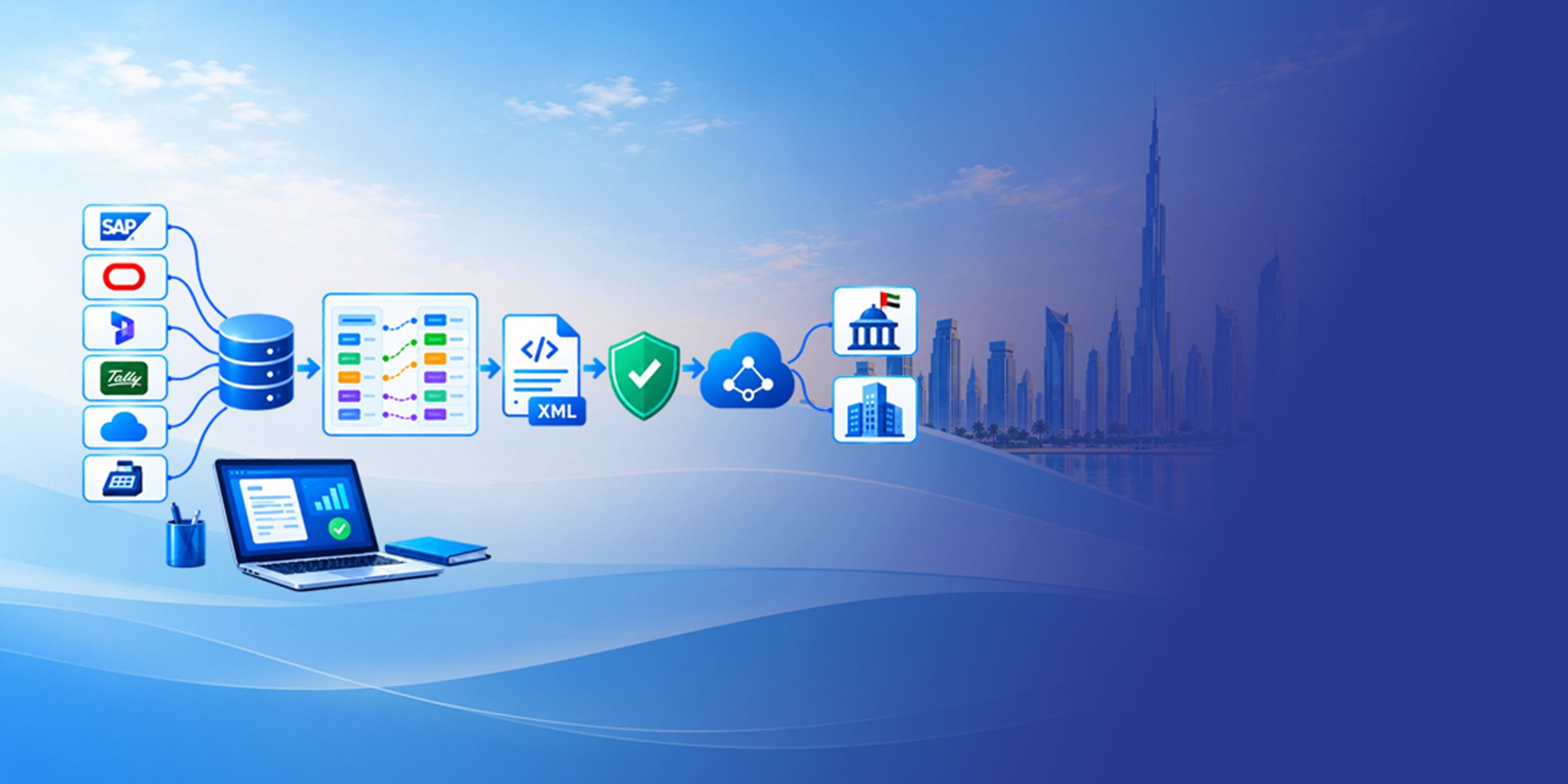
The UAE is expected to adopt a Peppol-based framework, which facilitates secure and standardized invoice exchange between businesses through accredited service providers. Companies that begin their preparation early can improve operational efficiency while reducing future implementation risks.
Compliance Requirements and Industry Readiness
As the UAE moves toward a fully digital tax ecosystem, companies must align their ERP systems and invoicing workflows with upcoming regulatory expectations. Large enterprises, EPC contractors, fuel distributors, and energy service providers are already assessing their readiness for e-invoicing in oil and gas.
Implementation will likely involve:
- ERP integration with compliant e-invoicing solutions
- Supplier and customer onboarding
- Invoice data standardization
- Automation of VAT calculations and reporting
Businesses must also evaluate how invoice data flows across procurement, finance, logistics, and compliance functions. Early planning will help minimize disruption once the framework is formally implemented.
Operational Benefits for Oil and Gas Companies
One of the key advantages of e-invoicing in oil and gas is faster invoice processing. Automation reduces manual intervention, lowers the risk of errors, and accelerates approvals. This improves cash flow visibility and strengthens vendor relationships.
E-invoicing is also expected to enhance audit readiness. Digitally structured invoices provide better traceability, making it easier to meet VAT compliance and financial reporting requirements. For companies with complex supply chains and multiple entities, this leads to stronger financial control and visibility.
Additionally, digital invoicing supports sustainability goals by reducing reliance on paper-based processes, aligning with ESG initiatives across the UAE energy sector.
Technology Integration and Automation
Successful adoption of e-invoicing in oil and gas will depend on seamless technology integration. Many UAE companies operate on ERP platforms such as SAP, Oracle, Microsoft Dynamics, and Tally. These systems will need to be integrated with compliant e-invoicing solutions to enable standardized data exchange.
Under the expected UAE model, businesses should also understand the role of an asp in uae e-invoicing implementation. Accredited service providers are expected to help organizations connect their systems with government frameworks while ensuring invoice validation, secure transmission, and regulatory compliance.
Automation tools will further enhance invoice approvals, vendor communication, tax calculations, and reporting accuracy, allowing finance teams to focus on strategic activities rather than manual processing.
Challenges Businesses Must Address
Despite its advantages, implementing e-invoicing in oil and gas comes with challenges. Legacy systems, fragmented supplier networks, and inconsistent invoice formats can slow down adoption. Organizations operating across multiple entities may also face difficulties standardizing processes.
Training employees and suppliers will be critical to ensure a smooth transition. Without proper awareness and coordination, businesses may struggle to shift from traditional invoicing methods.
Data security is another key consideration. As invoices contain sensitive financial and operational data, companies must implement strong cybersecurity measures and ensure secure data exchange protocols.
The Future of Digital Compliance in the UAE
E-invoicing in oil and gas is expected to become a core component of the UAE’s digital tax framework as regulations are finalized and rolled out in phases. Businesses that invest early in scalable and compliant invoicing infrastructure will be better positioned to adapt to these changes.
Early preparation can help organizations improve reporting accuracy, reduce operational costs, and strengthen collaboration with suppliers and partners. As the UAE continues to prioritize automation, transparency, and digital governance, e-invoicing will play a central role in shaping the future of compliance across the energy sector.