
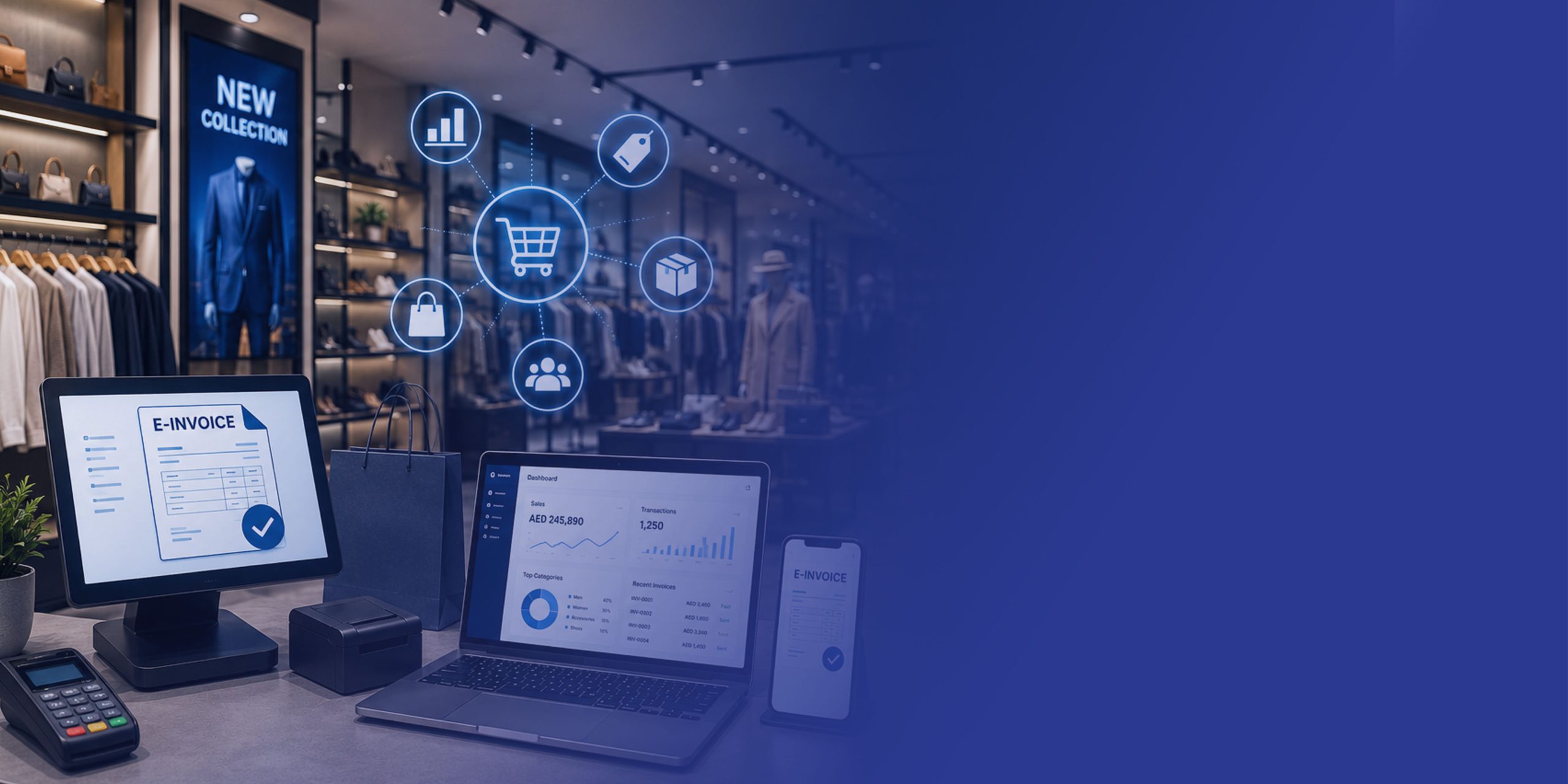
E-Invoicing in Retail: Transforming UAE Retail Operations for the Digital Tax Era
The UAE retail industry is rapidly embracing digital transformation, and e-invoicing in retail is becoming a key focus for businesses preparing for the country’s evolving tax compliance landscape. As the Federal Tax Authority (FTA) progresses toward implementing its electronic invoicing framework, retailers must modernize their billing processes to improve efficiency, accuracy, and regulatory readiness.
Understanding the Shift Toward Digital Invoicing
Retail businesses generate a high volume of transactions every day, making invoice management a critical operational function. Traditional paper-based and manual invoicing methods often lead to errors, delays, and increased administrative costs. With e-invoicing in retail, businesses can automate invoice creation, validation, and transmission while aligning with upcoming regulatory requirements.
The UAE government’s commitment to digitization is encouraging organizations across sectors to adopt advanced financial technologies. Retailers that prepare early will be better positioned to meet future compliance obligations while improving customer experience.
Why Retailers Need to Prepare Now
The introduction of e-invoicing in retail is expected to bring significant changes to how invoices are issued, stored, and shared. Retail businesses often deal with multiple suppliers, customers, and sales channels, making standardized electronic invoicing highly beneficial.
By implementing digital invoicing systems in advance of regulatory mandates, retailers can reduce manual intervention, minimize invoice disputes, and streamline reconciliation processes. This helps finance teams focus on strategic activities instead of routine administrative tasks.
Benefits for Retail Businesses
One of the primary advantages of e-invoicing in retail is improved operational efficiency. Automated invoice generation reduces processing time and eliminates many common human errors associated with manual data entry.
Another major benefit is enhanced transparency. Electronic invoices create a digital audit trail that simplifies record management and supports regulatory compliance. Retailers can also gain faster access to transaction data, enabling better decision-making and financial reporting.
Additionally, e-invoicing in retail supports sustainability goals by reducing paper consumption and promoting environmentally responsible business practices.
Enhancing Customer and Supplier Relationships
Retail success depends heavily on maintaining strong relationships with customers and suppliers. Through e-invoicing in retail, businesses can provide invoices instantly and accurately, improving communication and reducing payment delays.
Suppliers also benefit from receiving standardized electronic invoices that can be processed more efficiently. Faster invoice processing contributes to stronger business relationships and improved cash flow management across the supply chain.
Technology Readiness and System Integration
Successful adoption of e-invoicing in retail requires organizations to assess their existing technology infrastructure. Retailers should evaluate whether their accounting systems, ERP platforms, and point-of-sale applications can support future electronic invoicing requirements under the UAE framework.
A well-planned erp e-invoicing integration strategy can help businesses connect invoicing workflows with financial systems, ensuring seamless data exchange and reducing operational complexity.
Compliance and Risk Management
Regulatory compliance remains a top priority for UAE businesses. While e-invoicing is not yet mandatory, preparing for e-invoicing in retail can help organizations maintain accurate transaction records, reduce future compliance risks, and improve audit readiness.
Electronic invoicing also enables better monitoring of financial data, making it easier to identify discrepancies and maintain consistent reporting standards. This proactive approach helps retailers stay aligned with evolving regulatory expectations.
Preparing for the Future of Retail Finance
As digital transformation accelerates, e-invoicing in retail will become an essential component of modern retail operations in the UAE. Businesses that invest in technology, process optimization, and employee training today can achieve smoother implementation and long-term benefits once the framework is formally introduced.
The transition is not simply about meeting compliance requirements; it is also an opportunity to enhance efficiency, strengthen financial controls, and improve customer service. By adopting e-invoicing in retail, retailers can build a more agile and competitive business model.
Conclusion
The future of retail finance in the UAE is increasingly digital, and e-invoicing in retail is expected to play a central role in this transformation. Organizations that begin preparing now can streamline operations, improve compliance readiness, and gain a competitive advantage. As regulatory developments continue to unfold, embracing e-invoicing will help retailers remain prepared, efficient, and ready for the next phase of growth.