
Navigating the Future of Compliance: E-invoicing KSA with ZATCA
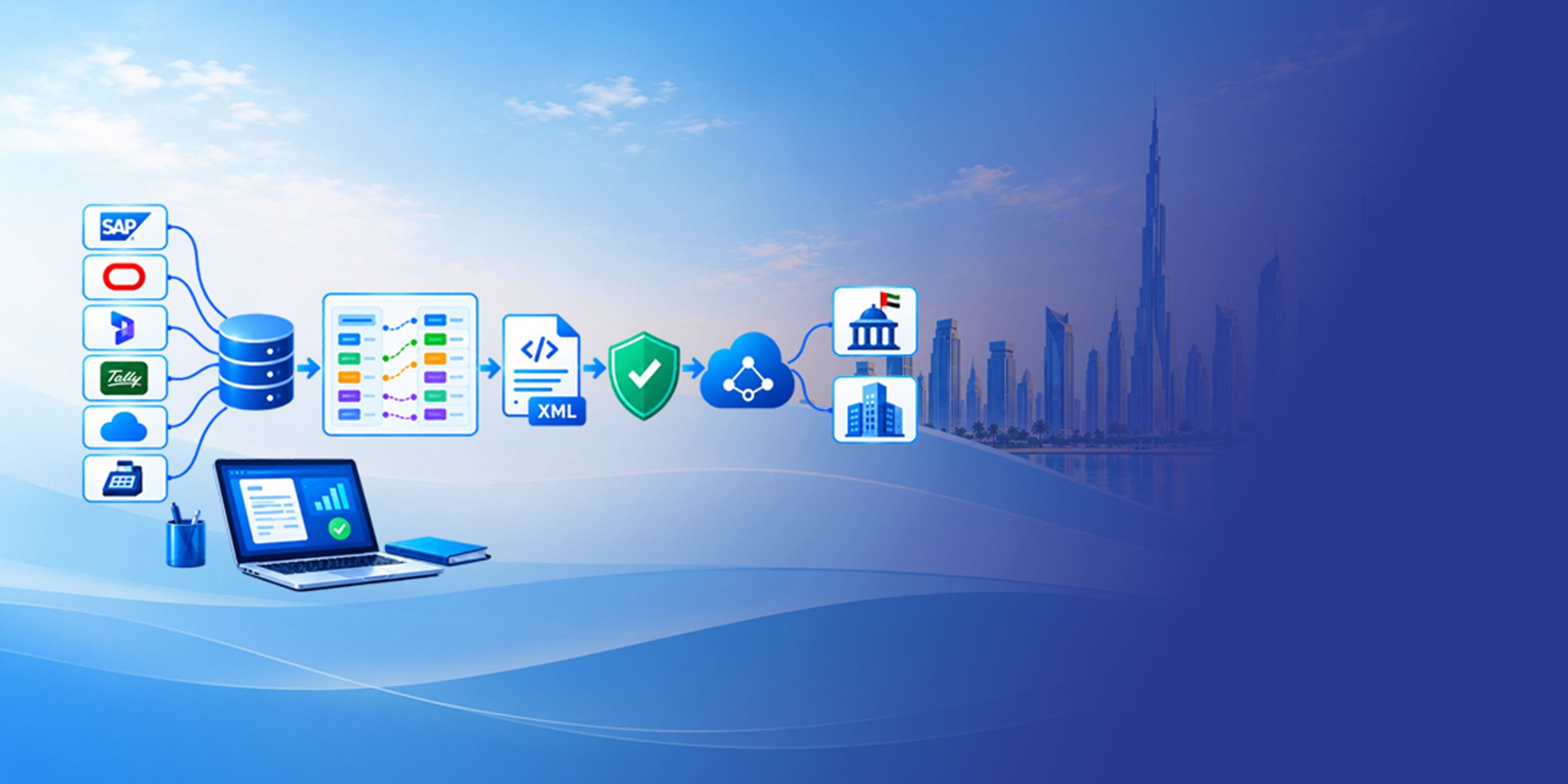
The world of business is constantly evolving, and with it, the way we handle financial transactions and tax compliance. In recent years, there has been a significant shift towards electronic invoicing (e-invoicing) as governments and businesses alike recognize the benefits of digitizing their financial processes. In markets like Saudi Arabia, e-invoicing ksa has become a critical component of regulatory compliance under ZATCA. As we look ahead, several trends are emerging in the realm of e-invoicing and tax compliance that promise to reshape the way organizations manage their finances and adhere to tax regulations.
- Global Standardization:
One of the most significant trends in e-invoicing and tax compliance is the move towards global standardization. Different countries have historically had their own unique invoicing and tax regulations, making it challenging for multinational businesses to navigate. However, organizations and governments are increasingly adopting common standards like the European Union’s PEPPOL (Pan-European Public Procurement Online) framework. This trend simplifies cross-border transactions and enhances tax compliance on an international scale, complementing frameworks like e-invoicing ksa. - Real-Time Reporting:
Governments are increasingly implementing real-time reporting systems to ensure tax compliance. With the help of technology, tax authorities can monitor transactions in real-time, reducing the likelihood of tax evasion. Businesses are now required to submit invoices and financial data directly to tax authorities electronically, streamlining the auditing process. This is especially evident in e-invoicing ksa, where real-time validation plays a key role. - Blockchain and Cryptocurrency Integration:
Blockchain technology and cryptocurrencies are gaining traction in the world of finance. These technologies offer transparency, security, and traceability in financial transactions. In the realm of e-invoicing and tax compliance, blockchain can be used to create immutable records of invoices and payments, ensuring data integrity and reducing the risk of fraud. Such innovations can further strengthen ecosystems like-invoicing ksa. - Artificial Intelligence (AI) and Machine Learning:
AI and machine learning are being employed to streamline e-invoicing processes. Machine learning algorithms can extract data from invoices, automatically categorize expenses, and flag anomalies or discrepancies. This reduces manual data entry, minimizes errors, and enhances compliance with tax regulations. Moreover, AI-powered predictive analytics can help organizations anticipate tax liabilities—an advantage for businesses adopting e-invoicing ksa. - Mobile E-Invoicing:
The proliferation of smartphones has led to the growth of mobile e-invoicing solutions. Businesses and individuals can generate, send, and receive invoices directly from their mobile devices. This trend offers convenience and flexibility in managing finances, especially for small businesses and freelancers. Mobile capabilities are increasingly aligning with systems like-invoicing ksa to improve accessibility. - Environmental Sustainability:
Sustainability is becoming increasingly important in all aspects of business, including e-invoicing. Paper invoices are not only costly but also harmful to the environment. Many organizations are shifting towards electronic e-invoicing as a sustainable alternative. Initiatives like e-invoicing ksa also support this transition toward greener business practices. - Enhanced Security and Data Privacy:
As e-invoicing becomes more prevalent, the need for enhanced security and data privacy measures becomes paramount. Businesses are investing in robust cybersecurity solutions to protect sensitive financial data. Additionally, compliance with data privacy regulations such as GDPR (General Data Protection Regulation) is crucial when handling customer and supplier information in e-invoicing processes, including within e-invoicing ksa frameworks.
Conclusion
The future of e-invoicing and tax compliance is marked by technological advancements, global standardization, and a commitment to transparency and sustainability. As governments and businesses adapt to these trends, we can expect more efficient financial processes, reduced tax evasion, and a greener approach to invoicing. With regulations like e-invoicing ksa, staying informed and embracing these trends will be crucial for organizations looking to thrive in the evolving landscape of finance and taxation.