Oman E-Invoicing in Oil & Gas Industry: Driving Compliance, Transparency and Operational Efficiency
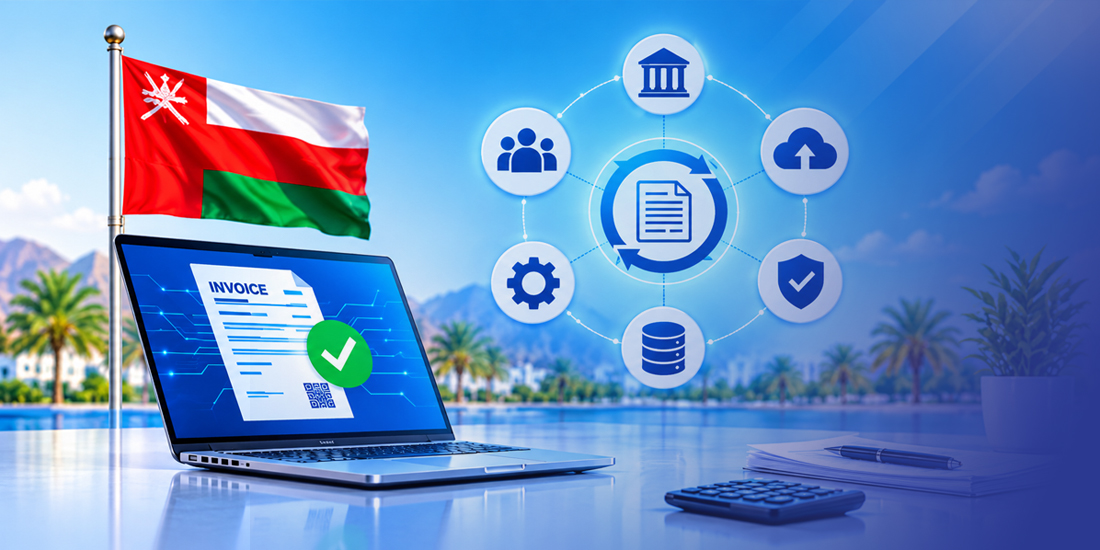
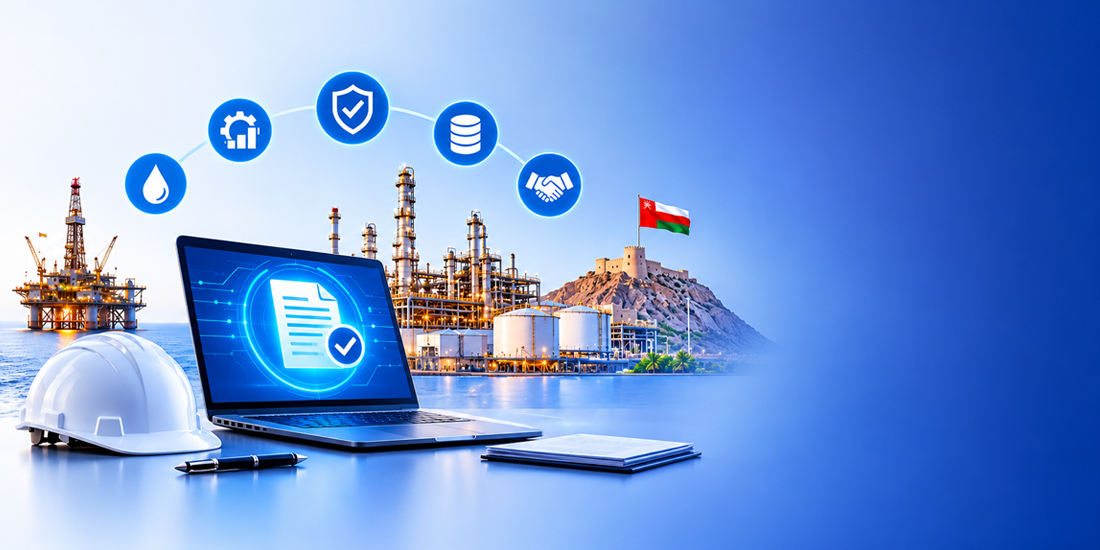
The oil and gas sector is one of Oman’s most important economic industries, involving complex supply chains, multiple contractors, international transactions and high-value operations. With digital transformation gaining momentum, e-invoicing in oil & gas industry is becoming an important step towards improving financial transparency, reducing manual processes and strengthening regulatory readiness. For oil and gas companies operating in Oman, adopting digital invoicing can simplify financial operations while preparing businesses for the country’s evolving e-invoicing framework.
Why Does the Oil and Gas Industry Need E-Invoicing in Oman?
Oil and gas businesses manage thousands of financial transactions involving exploration companies, equipment suppliers, logistics providers, subcontractors and service partners. Traditional invoicing methods often create delays, reconciliation challenges and limited financial visibility.
Implementing e-invoicing in oil & gas industry helps businesses move from paper-based documentation and disconnected systems towards structured, digitally processed invoices.
Key benefits include:
- Faster invoice processing: Reduce manual data entry and accelerate invoice approvals.
- Improved financial accuracy: Minimise errors in invoice amounts, tax calculations and supplier information.
- Better transparency: Maintain digital transaction records for easier tracking and reporting.
- Stronger compliance readiness: Prepare financial systems for evolving Omani tax and invoicing requirements.
- Enhanced supplier management: Simplify invoice exchanges between operators, contractors and vendors.
How E-Invoicing Supports Complex Oil and Gas Operations
Oil and gas companies operate across multiple locations, projects and business entities. Their invoicing requirements are often more complicated than those of conventional businesses.
With e-invoicing in oil & gas industry, companies can streamline several financial activities through a connected digital infrastructure.
- Contractor and Supplier Invoicing
Oil and gas operations depend on numerous contractors, equipment suppliers and technical service providers. Digital invoicing makes it easier to receive, validate, process and track invoices from multiple vendors.
- Project-Based Financial Management
Large infrastructure and exploration projects involve milestone-based payments, purchase orders and service agreements. Digital invoice processing improves coordination between procurement, project management and finance teams.
- Cross-Departmental Visibility
An integrated invoicing platform connects finance, procurement, accounts payable and accounts receivable teams. This improves transaction visibility and reduces communication gaps.
- Tax Documentation and Reporting
Accurate invoice information is essential for maintaining tax records and supporting financial audits. Digital records help businesses organise transaction information and retrieve documents when required.
Preparing for Oman’s E-Invoicing Framework
Oman is progressing towards the implementation of its national e-invoicing initiative, commonly associated with the Fawtara programme. Businesses should monitor official Tax Authority announcements regarding implementation phases, technical specifications, onboarding and applicable compliance requirements.
For companies considering e-invoicing in oil & gas industry, early preparation is particularly important because of their complex ERP environments and extensive supplier networks.
Businesses should evaluate their existing invoicing processes, identify integration gaps, review tax data accuracy and assess whether their financial systems can support structured digital invoice exchange.
An effective Electronic invoicing system should also support secure data transmission, invoice validation, record management and integration with existing enterprise applications.
Choosing the Right E-Invoicing Solution
Selecting an appropriate technology partner is an important part of successful implementation. Oil and gas companies should consider solutions that offer:
- ERP integration with SAP, Oracle and other enterprise platforms.
- Automated invoice validation and error detection.
- Secure API connectivity and data exchange.
- Centralised invoice tracking and reporting.
- Scalability for high-volume transactions.
- Support for applicable Omani technical and tax requirements.
A scalable platform makes e-invoicing in oil & gas industry easier to manage across multiple business units, suppliers and operational locations.
The Future of Digital Invoicing in Oman’s Oil and Gas Sector
Digital invoicing is more than a regulatory preparation exercise. It represents an opportunity for oil and gas companies to modernise financial operations, improve accountability and gain better control over business transactions.
As Oman advances its digital tax transformation, e-invoicing in oil & gas industry can help organisations build more connected and transparent financial processes.
Companies that invest in the right technology, prepare their ERP systems and strengthen invoice data quality today will be better positioned for future requirements.
Ultimately, e-invoicing in oil & gas industry can become a strategic advantage for Oman’s energy sector, supporting operational efficiency, financial visibility and long-term digital transformation.