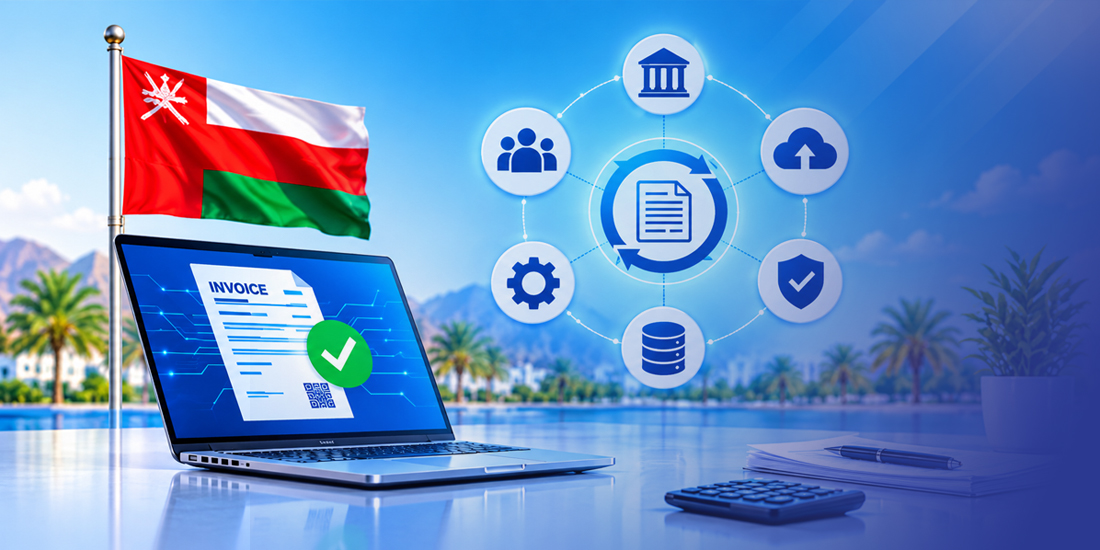

Oman E-Invoicing in Real Estate: Transforming Property Transactions Through Digital Compliance
Oman’s real estate sector is evolving as property developers, real estate agencies, property managers, and construction companies embrace digital transformation. With the introduction of electronic invoicing regulations, e-invoicing in real estate is becoming an important step towards improving financial transparency, transaction accuracy, and regulatory compliance. Businesses operating in Oman’s property market must prepare their invoicing processes for a more connected and digitally enabled financial ecosystem.
Understanding E-Invoicing in Oman’s Real Estate Sector
Real estate businesses manage multiple financial transactions, including property sales, rental agreements, maintenance charges, brokerage commissions, construction payments, and service fees. Traditionally, these transactions have involved paper invoices, spreadsheets, and disconnected accounting systems.
Digital invoicing can simplify these processes by creating structured electronic records that improve invoice tracking, reporting, and financial management. For companies exploring e-invoicing in real estate, adopting digital processes can help reduce administrative workloads while supporting greater financial accuracy.
As Oman advances its Fawtara electronic invoicing initiative under the Oman Tax Authority (OTA), businesses should assess their invoicing infrastructure and prepare for applicable implementation requirements.
Why Real Estate Businesses Need Digital Invoicing
The property industry involves high-value transactions and multiple stakeholders. Managing invoices manually can create operational challenges, including delayed payments, duplicate records, calculation errors, and limited financial visibility.
Implementing e-invoicing in real estate offers several important advantages:
- Improved accuracy: Automated invoice generation reduces manual data-entry errors.
- Faster processing: Digital workflows help accelerate invoice creation, delivery, and tracking.
- Better transparency: Structured invoice records improve transaction visibility.
- Simplified compliance: Standardised digital records support tax reporting and audit preparation.
- Efficient operations: Automation reduces repetitive administrative tasks.
These benefits make digital invoicing an important consideration for Oman’s growing property ecosystem.
Key Real Estate Transactions That Can Benefit
Different segments of the property industry can benefit from digital invoicing.
- Property Sales and Purchases
Developers and real estate companies process invoices for property bookings, milestone payments, and additional services. E-invoicing in real estate can help organise transaction records and improve payment tracking.
- Rental and Leasing Operations
Property management companies handle recurring rental invoices, security deposits, and service charges. Digital workflows can simplify recurring billing and maintain consistent financial documentation.
- Property Maintenance Services
Maintenance providers generate invoices for repairs, cleaning, facility management, and technical services. Digital invoicing helps standardise billing and improve expense tracking.
- Brokerage and Commission Management
Real estate agencies manage commissions across agents, developers, and property owners. Automated invoicing can improve documentation and reduce reconciliation challenges.
Preparing for Oman’s Fawtara Framework
Oman’s Fawtara initiative represents an important development in the country’s tax administration and digital transformation journey. Businesses should monitor official Oman Tax Authority announcements regarding technical specifications, implementation timelines, and applicable taxpayer obligations.
Preparing for e-invoicing in real estate requires more than simply replacing paper invoices with digital documents. Companies should evaluate their existing accounting systems, customer information, tax records, invoice formats, and integration requirements.
Working with an experienced technology provider can help businesses understand these requirements and develop a structured implementation approach.
Choosing the Right Technology for Compliance
Selecting suitable technology is essential for a smooth transition. A reliable E-invoicing software solution should support accounting integration, structured invoice generation, secure data management, automated workflows, and reporting capabilities aligned with applicable regulatory requirements.
For property developers and real estate agencies, e-invoicing in real estate should also support multiple business units, recurring billing, transaction reconciliation, and scalable financial operations.
Businesses should prioritise solutions that can adapt to regulatory updates without disrupting existing property management and accounting processes.
The Future of Oman’s Real Estate Industry
Digital invoicing will play an increasingly important role in modernising property transactions. As compliance requirements evolve, businesses that invest early in digital readiness can build stronger financial processes, improve operational efficiency, and enhance transaction transparency.
Ultimately, e-invoicing in real estate is not just about regulatory compliance. It represents an opportunity for Oman’s property businesses to modernise financial management, strengthen accountability, and prepare for a digitally connected economy.
Is your real estate business ready for Oman’s e-invoicing transformation? Start evaluating your invoicing systems today and take the next step towards smarter, more efficient financial operations.