
UAE e-invoice XML Validation : Mandatory XML Fields in UAE E-Invoicing
The shift toward structured e-invoicing is changing how businesses create, exchange, and report invoices. UAE e-invoice XML Validation is becoming an important part of this transformation because businesses must ensure that their invoice data is complete, accurate, and compliant before it is transmitted through the UAE e-invoicing network.
Why Mandatory XML Fields Matter
Unlike traditional PDF invoices, electronic invoices use structured data that machines can read and process automatically. The UAE e-invoicing framework requires businesses to generate invoices according to the prescribed technical specifications, including the PINT AE standard.
This makes UAE e-invoice XML Validation essential for identifying missing, incorrect, or improperly formatted information before an invoice reaches the recipient or relevant network.
A correctly structured XML invoice improves automation, reduces manual intervention, and minimizes invoice rejection. It also helps businesses maintain consistent tax and transaction records.
What Are the Mandatory XML Fields?
The mandatory fields depend on the type of transaction and invoice. However, businesses should pay particular attention to several important categories of information.
- Supplier Information
The XML should contain accurate supplier identification details, including the supplier’s legal name, address, and relevant tax registration information. Incorrect supplier data can result in validation failures and reconciliation issues.
- Customer Information
Customer information must also be accurately captured. Depending on the transaction, this may include the customer’s legal name, address, tax registration number, and other identifiers required by the applicable invoice scenario.
- Invoice Identification
Every invoice needs appropriate identification information, such as the invoice number and issue date. Businesses should ensure that numbering is unique and follows their internal controls.
- Tax Information
VAT-related information is one of the most important components of a compliant electronic invoice. XML data may need to identify VAT categories, applicable rates, taxable amounts, and tax amounts.
This is where UAE e-invoice XML Validation can help businesses identify inconsistencies between invoice calculations and the structured tax information being transmitted.
- Line-Level Information
Each invoice line should contain sufficient details about the goods or services supplied. Depending on the transaction, this can include item description, quantity, unit price, discounts, taxable amount, and applicable tax information.
Accurate line-level data is particularly important for automated processing and downstream reconciliation.
- Invoice Totals
The XML should accurately represent invoice totals, including taxable amounts, tax amounts, discounts where applicable, and the final payable amount.
Automated UAE e-invoice XML Validation can check whether these values are logically consistent before transmission.
Why Pre-Validation Is Important
One of the biggest advantages of structured e-invoicing is the ability to validate information before an invoice moves through the electronic invoicing network.
Businesses can use UAE e-invoice XML Validation to detect missing mandatory fields, incorrect data formats, invalid tax information, calculation discrepancies, and other technical issues.
This proactive approach is much better than discovering an error after an invoice has already been submitted.
Common XML Validation Problems
Businesses preparing for UAE e-invoicing should watch for issues such as missing tax identifiers, incorrect invoice dates, invalid codes, inconsistent totals, incorrect VAT calculations, incomplete customer information, and improperly structured XML elements.
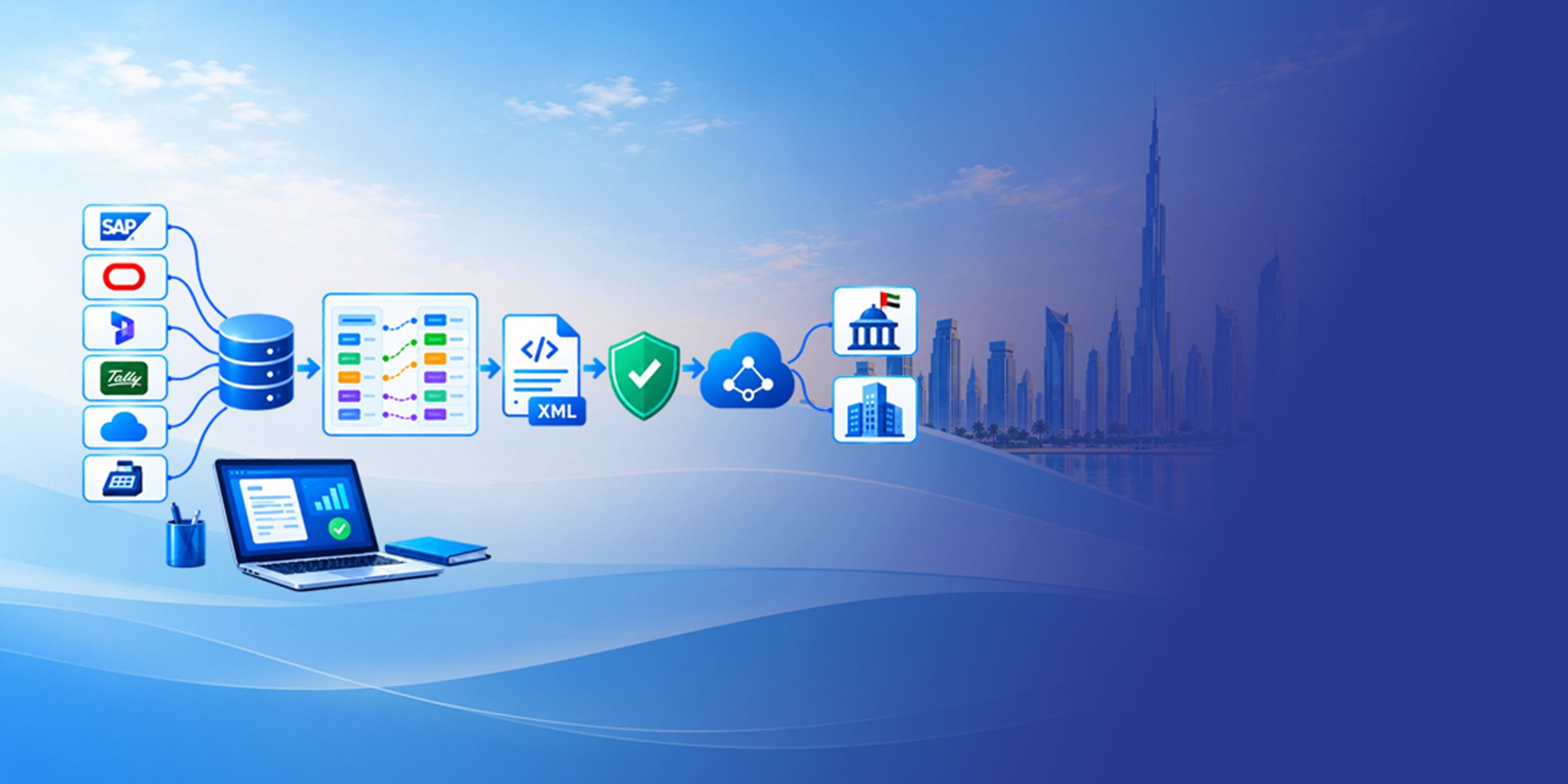
Another common challenge is mapping information correctly from an ERP system into the required XML structure. UAE e-invoice XML Validation becomes particularly valuable during ERP integration testing because it can help technical teams identify mapping issues before production deployment.
How Businesses Can Prepare
Finance and IT teams should begin by reviewing their existing invoice data and identifying gaps in mandatory information. They should then map ERP fields to the required e-invoicing structure and conduct comprehensive testing.
Businesses should also establish processes for handling rejected invoices, correcting master data, monitoring transmission status, and maintaining appropriate audit trails.
The uae e-invoicing deadline should not be treated as the starting point for preparation. Early testing gives businesses more time to resolve integration, data, and process-related challenges.
Final Thoughts
Mandatory XML fields are at the heart of UAE’s move toward automated and structured invoicing. Businesses that treat compliance as simply an invoice-formatting exercise may face unnecessary operational challenges.
Implementing robust UAE e-invoice XML Validation processes can help organizations identify errors early, improve invoice accuracy, and support smoother ERP-to-e-invoicing integration.
As implementation progresses, organizations should combine accurate master data, compliant XML generation, automated validation, and continuous monitoring. With the right preparation, businesses can move from basic compliance toward a more efficient and reliable digital invoicing environment.