
UAE E-invoicing deadline: What UAE Businesses Still Aren’t Prepared
As the 2026 compliance phase approaches, many organizations are still underestimating the impact of the UAE E-invoicing deadline on finance, operations, tax reporting, and digital infrastructure. While businesses are aware that electronic invoicing is coming, most are not prepared for the operational transformation required to remain compliant. Companies that delay preparation may face disruptions, penalties, failed invoice submissions, and increased scrutiny from regulators.
Why the UAE Market Is Still Behind
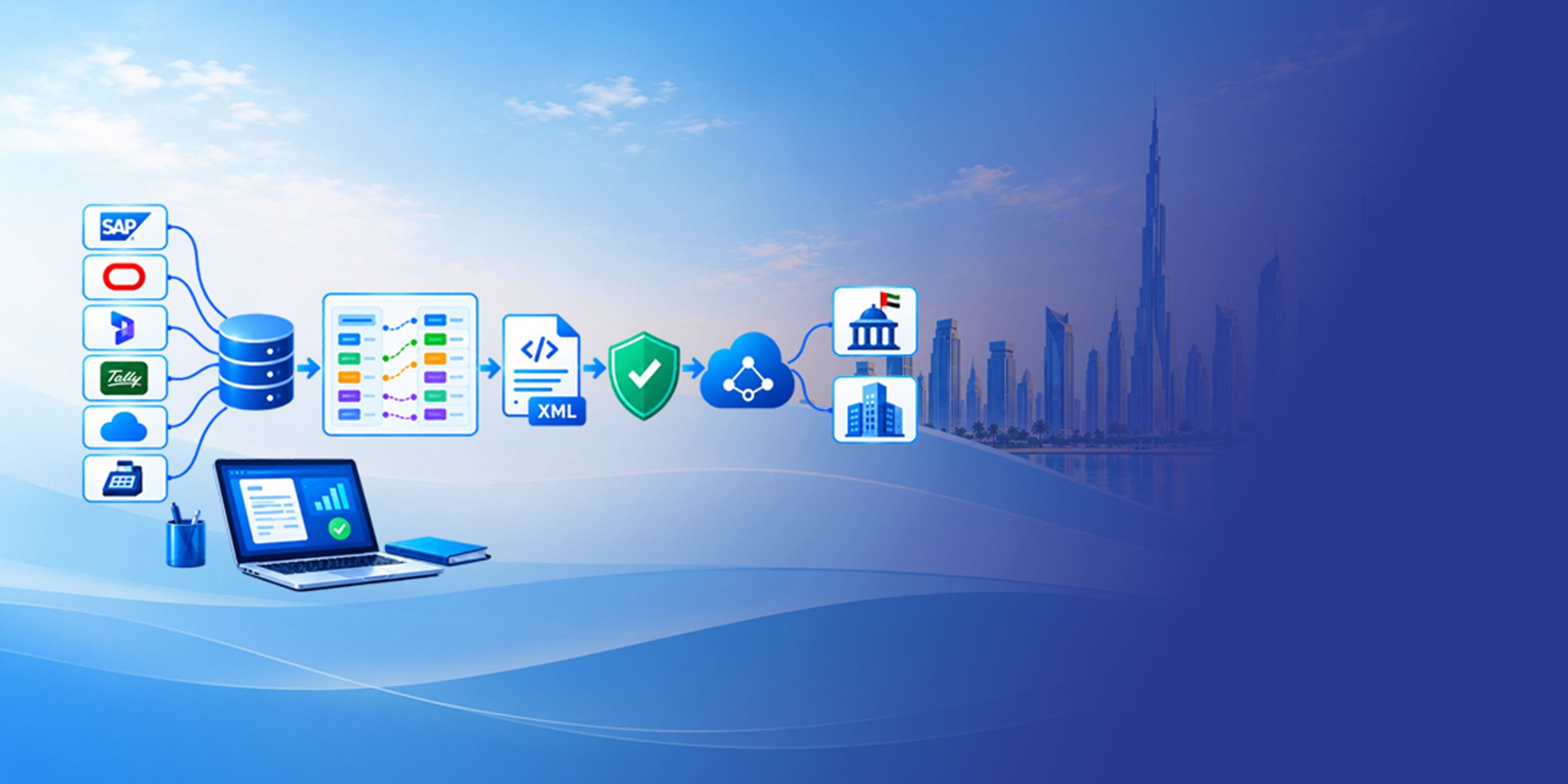
Despite growing awareness, a large percentage of businesses continue to rely on manual invoicing systems, PDF invoices, spreadsheets, and disconnected ERP workflows. The UAE E-invoicing deadline is not simply about generating invoices digitally; it is about creating structured, machine-readable invoices aligned with the UAE Federal Tax Authority framework.
Many finance teams still believe minor ERP updates will be enough. In reality, organizations need process redesign, automation, validation of systems, and real-time reporting capabilities before the deadline arrives. Businesses that wait until the final quarter may struggle with rushed implementation projects and resource shortages.
The Biggest Compliance Gap that Businesses Ignore
One of the most overlooked risks before the deadline is data quality. Most companies currently maintain inconsistent customer records, missing tax registration numbers, duplicate supplier databases, and inaccurate VAT mappings.
When structured invoicing becomes mandatory, poor-quality data can lead to rejected invoices, reporting mismatches, and compliance issues. Businesses should start reviewing master data immediately instead of treating compliance as only an IT initiative.
Another major concern is invoice archival. Companies must ensure secure electronic retention policies are implemented properly before the UAE E-invoicing deadline. Many organizations still depend on email folders or shared drives that do not meet regulatory standards.
ERP Integration Challenges Are Underestimated
A significant number of organizations assume their existing ERP systems are automatically ready for compliance. However, integration complexity is one of the biggest obstacles before the UAE E-invoicing deadline. Legacy systems may not support structured XML formats, API connectivity, or UUID validation.
Businesses operating multiple entities across GCC markets face additional challenges because invoicing structures differ between countries. Companies should evaluate whether their current architecture can support future tax digitization requirements as well.
This is where selecting the right e-invoicing software becomes critical. The ideal solution should support compliance, scalability, automation, security, and seamless ERP integration without disrupting business operations.
Vendor and Supply Chain Risks
Another area businesses are ignoring before the UAE E-invoicing deadline is supplier readiness. Even if your internal systems are compliant, your vendors and customers may not be prepared to exchange structured invoices efficiently.
Organizations must begin communicating transition plans with suppliers, distributors, and logistics partners early. Delayed supplier readiness can impact invoice acceptance cycles, payment timelines, and procurement workflows.
The deadline will impact the entire ecosystem, not just individual enterprises. Companies that collaborate early with their supply chain partners will reduce operational risk significantly.
Internal Teams Are Not Yet Prepared
Technology alone cannot ensure compliance before the UAE E-invoicing deadline. Many organizations still lack internal governance structures, executive sponsorship, and employee awareness programs.
Finance, IT, legal, procurement, and compliance teams must work together throughout implementation. Businesses also need employee training programs to ensure invoice creation, validation, approvals, and reporting processes follow the new framework correctly.
Without cross-functional coordination, companies may face confusion, workflow bottlenecks, and delayed adoption after the UAE E-invoicing deadline becomes enforceable.
The Cost of Waiting Until the Last Day
Many companies still believe there is enough time before the UAE E-invoicing deadline, but implementation timelines for large organizations can extend over several months. Vendor selection, ERP testing, user acceptance testing, compliance validation, and process redesign require significant planning.
Businesses that postpone readiness initiatives may face higher implementation costs, limited vendor availability, and rushed deployments. More importantly, non-compliance can damage business reputation and create operational disruptions with customers and authorities.
The smartest organizations are already conducting readiness assessments, identifying system gaps, and building phased implementation roadmaps before the UAE E-invoicing deadline creates market-wide pressure.
Final Thoughts
The transition toward digital tax compliance is accelerating across the Middle East, and the UAE E-invoicing deadline represents one of the most significant regulatory changes businesses will face in the coming years. Companies that begin preparation early will gain operational efficiency, stronger compliance controls, and smoother business continuity.
Organizations that delay action risk entering 2026 unprepared, reactive, and vulnerable to compliance failures. The time to assess systems, align teams, and modernize invoicing processes is now.