
ZATCA E-Invoicing Requirement: Key Challenges and Business Concerns
The Kingdom of Saudi Arabia’s ZATCA (Zakat, Tax, and Customs Authority) has embarked on a significant digital transformation journey by introducing an E-Invoicing mandate aligned with the zatca e-invoicing requirement. While the move towards E-Invoicing promises increased efficiency, transparency, and compliance, it also comes with its fair share of challenges and concerns that businesses operating in Saudi Arabia must grapple with. In this blog post, we will delve into some of the prominent challenges and concerns associated with ZATCA’s E-Invoicing mandate.
- Complex Implementation Process
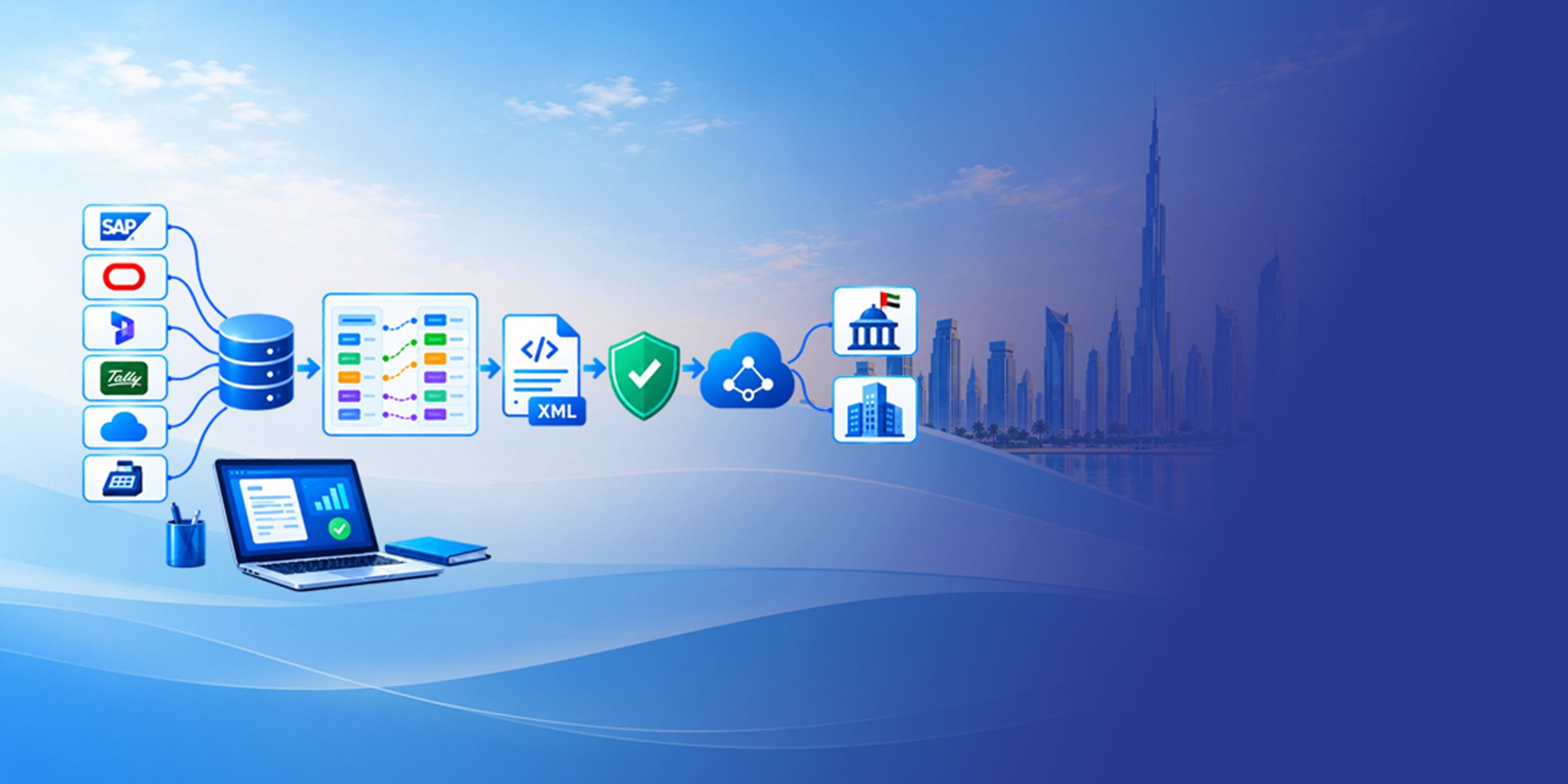
One of the primary challenges businesses face is the complex implementation process of E-Invoicing systems under the zatca e-invoicing requirement. Integrating these systems into existing workflows and ensuring compatibility with various accounting and Enterprise Resource Planning (ERP) software can be daunting and time-consuming. Smaller businesses, in particular, may struggle with limited resources and expertise in implementing such technology. - Cost of Compliance
Compliance with the E-Invoicing mandate involves investing in software, hardware, and training for employees to meet the zatca e-invoicing requirement. The initial costs of adopting E-Invoicing solutions can be substantial, which can be especially burdensome for small and medium-sized enterprises (SMEs). Furthermore, ongoing maintenance and software updates can add to the financial burden over time. - Data Security and Privacy
E-Invoicing systems involve the transfer and storage of sensitive financial information electronically. Ensuring the security and privacy of this data is a paramount concern within the zatca e-invoicing requirement framework. Cybersecurity threats such as data breaches and hacking attempts could result in severe financial and reputational damage to businesses. - Integration Challenges
Many businesses in Saudi Arabia use a variety of software applications and platforms for their daily operations. Integrating E-Invoicing solutions seamlessly with these existing systems can be a major hurdle when aligning with the zatca e-invoicing requirement. Compatibility issues and the need for customized solutions may arise, leading to delays and added costs. - Educational Gaps
The successful adoption of E-Invoicing systems requires a workforce that is well-versed in the technology required by the zatca e-invoicing requirement. Unfortunately, there may be gaps in the knowledge and skills of employees, particularly in smaller businesses. Training programs and resources must be made available to bridge these educational gaps. - Compliance Deadlines
ZATCA’s E-Invoicing mandate comes with strict deadlines for compliance under the zatca e-invoicing requirement. Businesses that fail to meet these deadlines may face penalties and fines. This puts significant pressure on companies to expedite the implementation process, potentially sacrificing thorough testing and preparation. - Supplier and Customer Adoption
The success of E-Invoicing relies on the cooperation of both suppliers and customers in meeting the zatca e-invoicing requirement. If a significant portion of a business’s partners and clients is not ready or willing to adopt E-Invoicing, it can disrupt the invoicing process and lead to inefficiencies. Encouraging widespread adoption can be a formidable challenge. - Reliability and Downtime
E-Invoicing systems must be highly reliable to ensure the smooth flow of business operations aligned with the zatca e-invoicing requirement. Any system downtime or technical glitches can result in delays in invoice processing, payments, and compliance reporting. - Legal and Regulatory Changes
The regulatory landscape is subject to change, and businesses must stay updated to remain compliant with the zatca. Adapting to new legal requirements and updates to the E-Invoicing mandate can be an ongoing challenge, necessitating constant monitoring and adjustments.
Conclusion
While ZATCA’s E-Invoicing mandate in Saudi Arabia presents several potential benefits, businesses must navigate numerous challenges and concerns to achieve compliance successfully. Overcoming these obstacles will require careful planning, investment, and collaboration between businesses, government authorities, and technology providers. As the implementation of E-Invoicing software continues to evolve, addressing these challenges is crucial to realizing the long-term benefits of increased efficiency, transparency, and compliance in the Saudi Arabian business landscape.